
Misdiagnosis expert witnesses
In a misdiagnosis case, the central question is whether a reasonably competent clinician, under the same or similar circumstances, would have reached the correct diagnosis in time to alter the patient's outcome. That standard-of-care analysis is almost never winnable without a qualified medical expert who can translate clinical decision-making into terms a jury can evaluate.
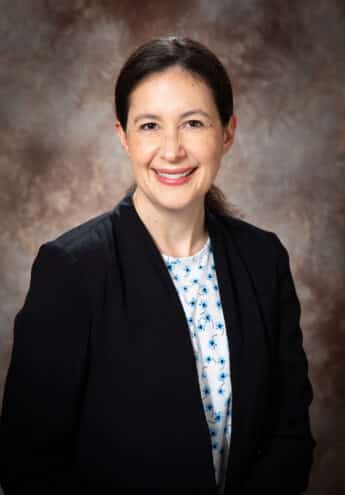
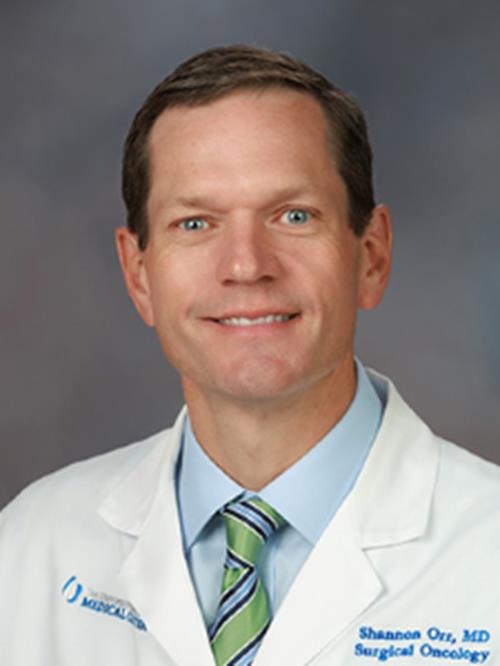

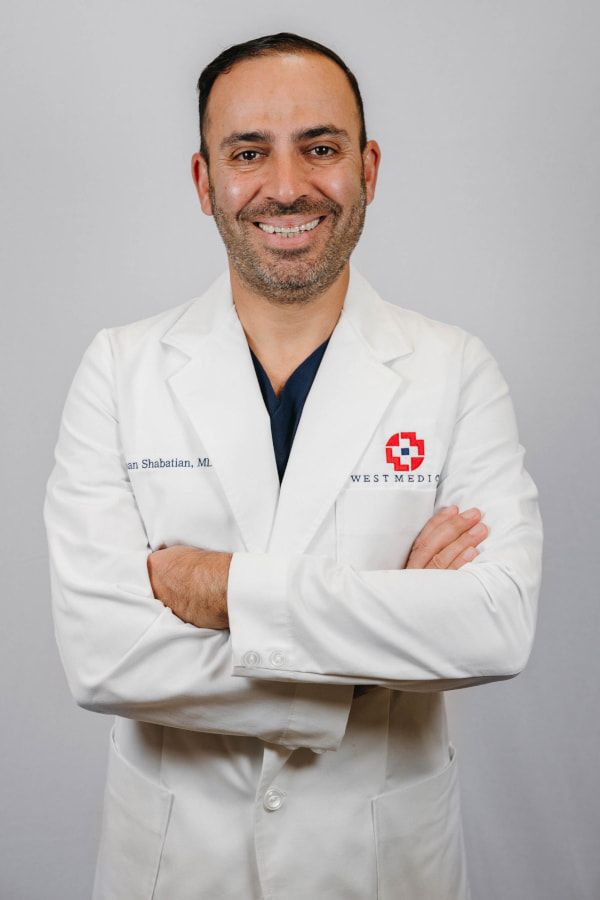
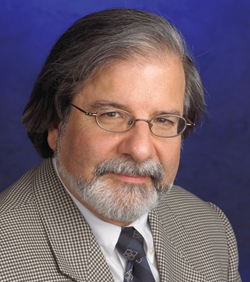


Each expert's board certification status is confirmed against the issuing board's public records before the profile is listed.
Active licensure is verified in the state where the expert practices, and any publicly reported board actions are flagged.
A current curriculum vitae is available for attorney review before any engagement commitment is made.
Qualified candidate shortlists for misdiagnosis matters are assembled within 48 hours of a complete intake request.
Common questions
What credentials should I look for in a misdiagnosis expert?
Does the expert need to be in the same specialty as the defendant physician?
How quickly can I get a curriculum vitae and preliminary case assessment?
Is the expert deposition-ready?
How do you verify that the expert is board-certified and in good standing?
What is the typical fee structure for a misdiagnosis expert?
Can one expert address both standard of care and causation, or do I need two?
Do you check whether the expert has ever been disqualified or excluded from testifying?
Why retain an expert for a misdiagnosis matter
Medical malpractice claims premised on misdiagnosis or delayed diagnosis require expert testimony at nearly every stage of litigation. Without a qualified clinician to establish the applicable standard of care, a plaintiff's case typically cannot survive a motion to dismiss or a motion for summary judgment. Jurors are not positioned to evaluate whether a physician's diagnostic reasoning was adequate without expert explanation of what the available clinical data — lab values, imaging findings, patient history, physical examination — should have suggested to a reasonably competent practitioner in that specialty.
Beyond threshold admissibility, the expert's role extends to rebutting defense theories. Defense experts in misdiagnosis cases commonly argue that the signs were atypical, that the eventual outcome was unrelated to the diagnostic delay, or that the treating physician's differential diagnosis was reasonable even if ultimately incorrect. A well-prepared plaintiff's expert must be able to engage each of those arguments with reference to the specific record, applicable clinical guidelines, and the published medical literature where relevant.
Specialties typically retained in misdiagnosis cases
The specialty retained depends almost entirely on the disease process and the type of clinician alleged to have failed. Oncologists or hematologists are commonly retained when the claim involves a delayed cancer diagnosis — breast, colon, lung, and melanoma being among the more frequent. Emergency medicine physicians are retained when a missed myocardial infarction, stroke, or acute abdomen is at issue. Radiologists are retained to opine on whether findings were visible and actionable on earlier imaging studies. Neurologists, infectious disease specialists, and orthopedists each appear regularly depending on the underlying condition.
In primary care misdiagnosis cases — where the defendant is an internist, family physician, or urgent care provider — the plaintiff may retain either a specialist in the missed condition or a general internist who can speak to the standard of care for diagnostic workup in that setting. The choice often depends on which expert can most credibly address the specific failure: ordering the wrong test, failing to follow up on an abnormal result, or failing to refer in a timely manner.
How expert profiles are verified on this directory
Every expert listed under the misdiagnosis case type has undergone a baseline verification process before the profile is published. Board certification is confirmed against the issuing specialty board's publicly accessible records. State licensure is checked for active standing in the jurisdiction where the expert holds a primary practice license, and publicly available board actions or sanctions are reviewed and flagged. A current curriculum vitae is collected and made available to requesting attorneys, allowing independent verification of training, clinical experience, and prior testimony history.
The directory does not perform litigation consulting or vouch for any expert's opinion in a specific case. Verification is limited to credentials, licensure status, and background review. Attorneys retain full responsibility for independent vetting, including reviewing the expert's prior testimony list, assessing any potential conflicts of interest, and evaluating the expert's written opinions for sufficiency under applicable admissibility standards in the relevant jurisdiction.
What to expect from the engagement
Once a misdiagnosis expert is identified and retained, the engagement typically begins with transmission of the complete medical records, relevant imaging studies, and any pertinent lab or pathology reports. The expert will conduct an independent record review and, in most cases, provide a preliminary assessment before committing to a written report. That preliminary conversation — sometimes called a screening review — allows both the attorney and the expert to assess whether the facts support a viable standard-of-care opinion before significant fees are incurred.
If the case moves forward, the expert prepares a written report that addresses the applicable standard of care, the deviation from that standard, and causation. In federal cases and in states that have adopted similar rules, the report must meet the disclosure requirements governing expert witnesses. The expert should then be available for deposition preparation, deposition testimony, and, if the case proceeds to trial, courtroom testimony. Fee agreements should address each phase separately, and attorneys should confirm the expert's availability for anticipated deposition and trial dates before finalizing the retention.
Daubert considerations in misdiagnosis litigation
In federal court and in the majority of state courts that have adopted analogous reliability standards, the trial judge serves as a gatekeeper for expert testimony. A misdiagnosis expert must be prepared to demonstrate that their opinions are grounded in a reliable methodology — not simply clinical intuition — and that the methodology was reliably applied to the facts of the case. Opposing counsel in misdiagnosis cases frequently challenge plaintiff experts on the basis that the standard of care opinion lacks a reproducible analytical basis or that the causation opinion relies on speculation about what would have happened under a different diagnostic course.
To withstand these challenges, plaintiff's counsel should ensure that the retained expert can point to recognized clinical guidelines, published diagnostic criteria, or peer-reviewed literature in support of key opinions. Experts who are actively engaged in clinical practice, academic teaching, or specialty society work are generally better positioned to defend the foundation of their opinions. The directory provides enough background information — specialty, academic affiliations, and prior testimony categories — to allow attorneys to identify candidates whose profiles are likely to survive pretrial admissibility scrutiny.
Plaintiff framing in misdiagnosis cases
Misdiagnosis cases brought by plaintiffs require a clear narrative that connects the clinical failure to the harm the patient suffered. The expert's role in building that narrative is substantial. Jurors tend to understand medical error in terms of concrete events — a test that was not ordered, a result that was not followed up, a referral that was not made — rather than abstract deviations from a statistical norm. A plaintiff's expert who can translate the standard of care into specific, observable steps that the defendant failed to take is generally more persuasive than one who speaks only in generalizations.
Plaintiff attorneys should look for experts who have direct clinical experience managing the condition at issue and who can speak to what they personally would have done differently given the same clinical presentation. This experiential grounding, combined with reference to applicable guidelines or protocols, gives the opinion both credibility and accessibility. The expert should also be comfortable addressing the harm directly — explaining in clinical terms what the patient lost as a result of the diagnostic delay and why earlier intervention would have been material to the outcome.