
Family Medicine expert witnesses
Family medicine physicians occupy a unique position in medical malpractice litigation: they are the clinicians most likely to have been the first point of contact, the ongoing coordinator of care, and — in disputed cases — the party whose documentation, referral decisions, and clinical reasoning become central to the standard-of-care analysis. When your case turns on what a primary care physician should have known, ordered, or communicated, a board-certified family medicine expert is the appropriate voice to establish that standard before a jury.


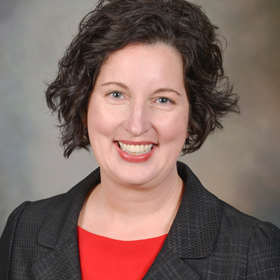

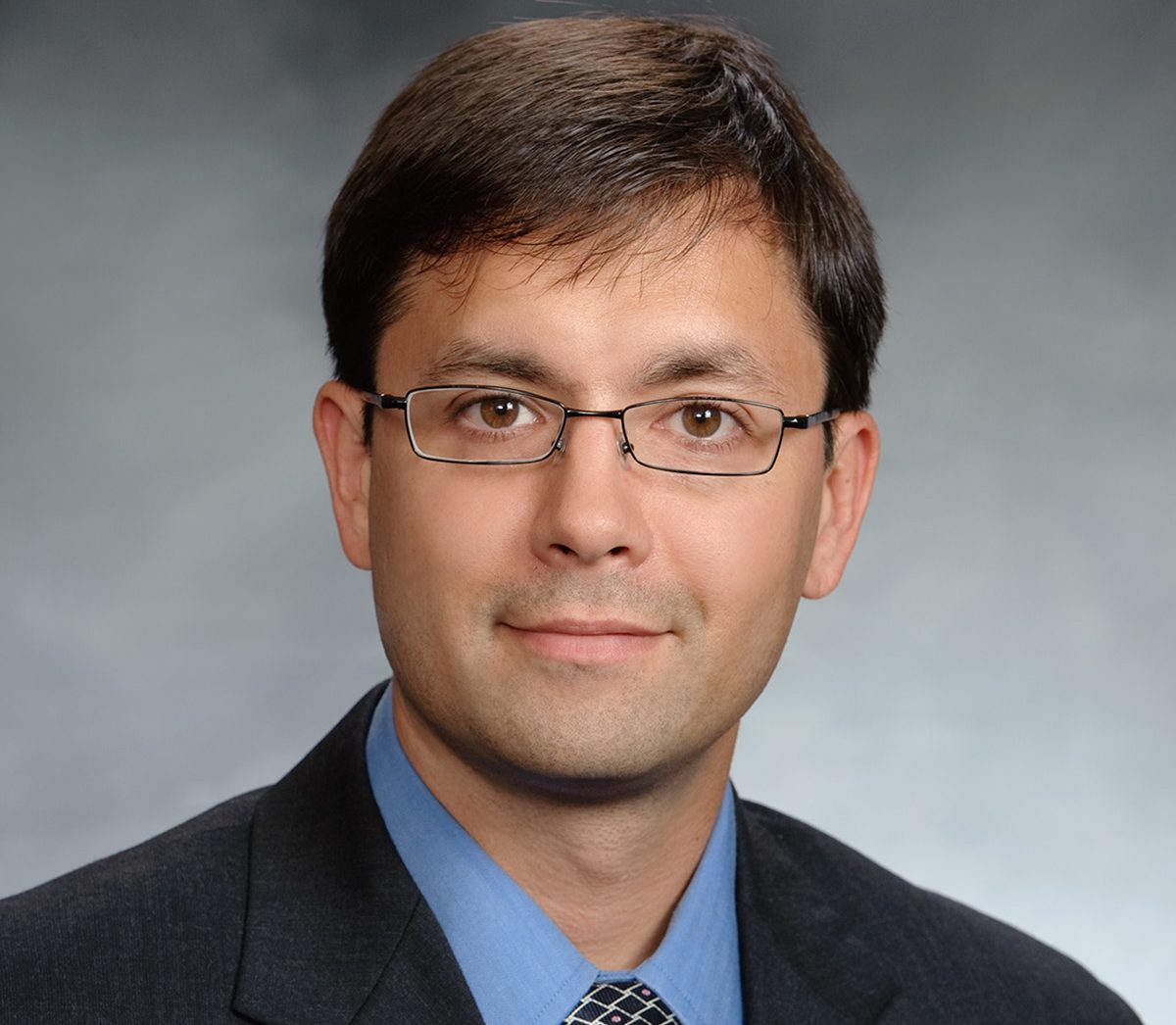
Each listed expert's board certification status is confirmed against the relevant certifying board's public records before the profile is published.
State medical license standing is verified at the time of listing; profiles note any documented board actions or restrictions.
A current curriculum vitae is available for every expert in the directory, including publication history and prior testimony engagements.
Experts are screened to confirm current or recent clinical activity in family medicine, strengthening their foundation for standard-of-care testimony.
Common questions
What credentials should I look for in a family medicine expert witness?
How does MedicalWitnessFinder.com verify board certification for family medicine experts?
Do you check for board disciplinary actions or sanctions?
Is a family medicine expert the right choice, or should I retain a specialist instead?
What is the typical fee structure for a family medicine expert witness?
How quickly can I get a CV for a listed expert?
Will a family medicine expert hold up under Daubert or Frye scrutiny?
Can a family medicine expert testify on causation as well as standard of care?
Why retain a family medicine expert witness
Family medicine is the specialty through which a substantial portion of all patient-physician contact flows. In litigation, this means that a family medicine physician's conduct — what was documented, what was ordered, what referral was or was not made, and when — is often at the center of the fact dispute even when the named defendant is a specialist or a hospital system. A family medicine expert witness can speak directly to the standard of care governing that initial and ongoing primary care relationship, providing the jury with a credible, clinically grounded account of what a reasonably competent physician in that role was obligated to do.
Beyond standard-of-care testimony, family medicine experts are well-suited to address issues of care coordination and communication failures, medication management obligations, documentation practices, and the threshold for specialist referral. Because the specialty spans the full age range and multiple organ systems, these experts are also prepared to address cases involving comorbid conditions where the question is whether a primary care clinician adequately managed competing clinical priorities. For defense attorneys, a family medicine expert can provide an equally important function: contextualizing the clinical picture a physician faced at the time of care, articulating the range of reasonable clinical responses, and countering a plaintiff's narrative that the standard of care was clearly breached.
Common case types handled by family medicine experts
Family medicine experts are most frequently retained in cases involving delayed or missed diagnosis of conditions that commonly present first in a primary care setting — cardiac disease, malignancies, infections, and metabolic disorders among them. The typical fact pattern involves a patient presenting with symptoms over one or more office visits, a diagnosis that was either not reached or reached late, and a claim that a reasonably competent family physician would have ordered different diagnostics or initiated a referral sooner.
Other recurring case types include medication errors and prescription management disputes, failure-to-monitor claims arising from long-term management of chronic conditions such as diabetes or hypertension, inadequate documentation or coordination of care, and transitions-of-care failures where the patient moved between settings — hospital discharge back to primary care, for example — and follow-up obligations were allegedly unmet. Family medicine experts are also retained in cases involving elder care where the primary care physician had ongoing responsibility for a patient later alleged to have suffered nursing home neglect, creating a standard-of-care overlap between the primary physician's obligations and the facility's. Workers' compensation matters involving fitness-for-duty assessments and personal injury cases requiring an opinion on pre-existing condition management also appear with regularity in this specialty category.
How family medicine expert profiles are verified
Every family medicine expert listed in this directory has passed a multi-step verification process before the profile is made available to attorneys. The process begins with confirmation of board certification through the relevant certifying body's publicly accessible records. Active state licensure is then verified in each state where the expert holds a license, and any board actions, formal complaints, or documented restrictions are noted in the profile rather than used as a basis for automatic exclusion — the significance of a historical board action is a judgment call for retaining counsel, and attorneys are entitled to that information.
Practice activity is assessed to confirm that the expert has maintained a clinical role in family medicine close enough to the current date to support credible standard-of-care testimony. An expert who left clinical practice many years ago may face admissibility challenges if the applicable standard of care has evolved materially in the interim; profiles indicate the expert's most recent active clinical role and dates. Prior testimony experience, including deposition and trial history, is also captured where available. No profile is published on the basis of a self-submitted biography alone — documentary confirmation is required for the credential claims material to the expert's qualification.
What to expect from a family medicine expert engagement
A typical family medicine expert engagement begins with the retaining attorney providing relevant medical records, the operative complaint or defense theory, and applicable case deadlines. The expert conducts an independent review of the records and produces a written opinion addressing the applicable standard of care, whether the care provided met that standard, and — if retained for causation — whether any deviation was a proximate cause of the alleged harm. The opinion letter or report is the foundation of the engagement; its quality, specificity, and methodological rigor will determine how the expert performs under deposition and at trial.
Deposition preparation typically involves at least one substantive call between counsel and the expert to review the anticipated areas of examination, identify potential weaknesses in the opinion, and ensure the expert is familiar with the key documents that are likely to be introduced as exhibits. Family medicine experts with prior testimony experience will generally require less preparation time, though no expert should testify without a case-specific preparation session. For trial, the expert should be prepared to explain the standard of care to a lay jury in accessible terms without sacrificing clinical accuracy — the ability to do both simultaneously is what distinguishes an effective testifying expert from a qualified clinician who struggles in front of a jury. Fee structures, retainer requirements, and scheduling availability are all addressed in each expert's profile on the directory.
Daubert and admissibility considerations for family medicine experts
Under the federal standard articulated in Daubert v. Merrell Dow Pharmaceuticals and codified in Federal Rule of Evidence 702, a court acts as gatekeeper for expert testimony, assessing whether the expert's methodology is reliable and whether it has been reliably applied to the facts of the case. Many states apply either the federal standard or their own analytically similar framework. For family medicine experts, admissibility challenges most commonly arise in three areas: whether the expert's clinical experience is sufficiently current to establish the applicable standard of care; whether the expert is qualified to offer causation opinions that extend beyond primary care into sub-specialty territory; and whether the opinion is grounded in a reproducible, peer-reviewed methodology rather than unsupported ipse dixit.
Attorneys retaining a family medicine expert should request a clear articulation of the methodological basis for each opinion at the report stage, before the expert is deposed. An expert who can point to recognized clinical guidelines, published literature, or widely-adopted professional society standards as the foundation for the standard-of-care opinion is in a stronger position to survive a Daubert motion than one who relies primarily on personal experience without an external methodological anchor. The directory's verification process confirms that listed experts have prior testimony experience, which provides some evidence of prior admissibility; however, admissibility in prior cases is not a guarantee, and retaining counsel should conduct an independent review of the expert's prior testimony record before committing to retention.