
Surgery expert witnesses
When litigation turns on what happened in an operating room, the quality of your surgical expert witness can determine the outcome. Surgery expert witnesses evaluate the full arc of operative care — preoperative assessment, intraoperative decision-making, and postoperative management — and translate complex technical standards into opinions a judge or jury can apply.
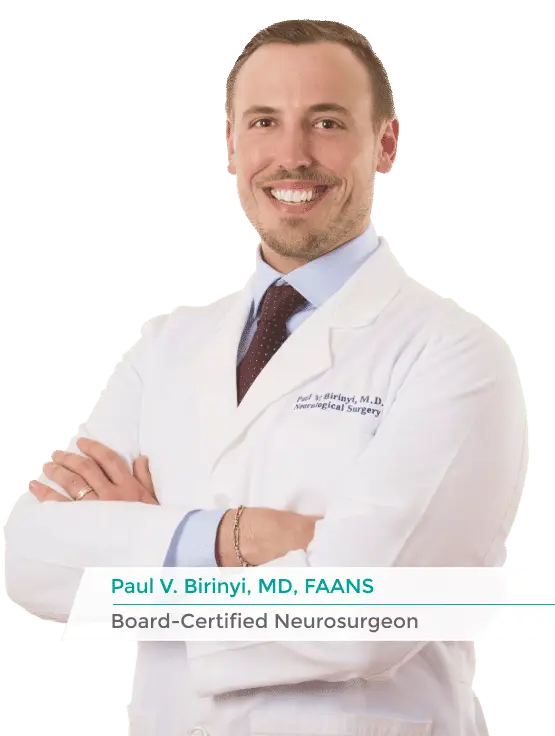
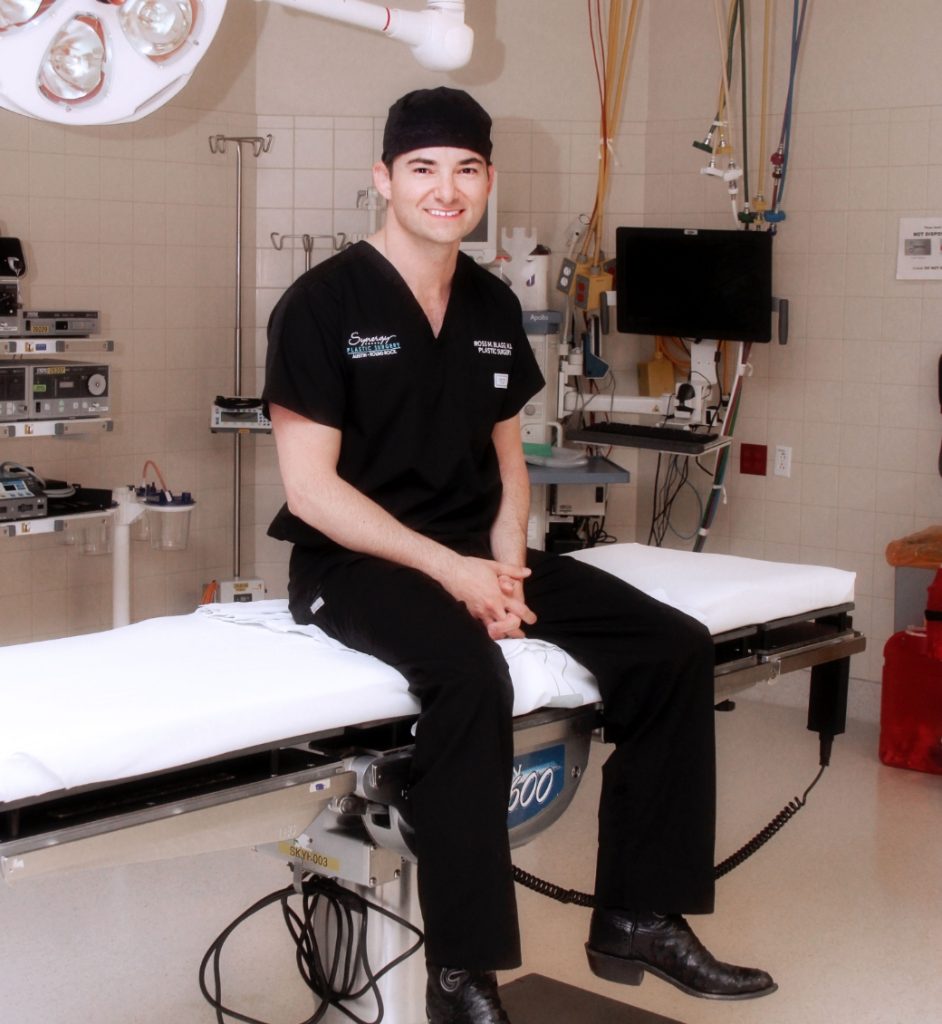

Each expert's board certification is confirmed against the issuing board's public records before the profile is published.
Active licensure is verified through the relevant state medical board for every listed surgeon, with sanctions and disciplinary actions noted.
A current curriculum vitae is available for every expert, covering training, clinical appointments, publications, and prior testimony.
Experts are indexed by operative subspecialty and procedure category so you can filter to the specific surgical discipline the case requires.
Common questions
What credentials should I look for in a surgery expert witness?
How do you verify that a surgery expert is currently board-certified?
Does the expert's subspecialty need to match the specific procedure involved in the case?
Is the surgery expert deposition-ready, and how much prior testimony have they given?
What is the typical fee structure for a surgery expert witness?
How quickly can I get a surgery expert's CV and availability?
Do you check for board sanctions or disciplinary actions against listed surgeons?
Can a single surgery expert cover both standard-of-care and causation opinions?
Why retain a surgery expert witness
Surgical litigation involves factual questions that are almost never self-evident to a lay factfinder. The decision to operate, the choice of approach, the management of intraoperative complications, and the adequacy of postoperative follow-up each involve specialized knowledge that requires expert translation. Without a qualified surgical expert, even a facially compelling set of operative records cannot be converted into a coherent theory of liability or defense.
Beyond explaining what happened, a surgery expert provides the evidentiary foundation that most jurisdictions require before a surgical malpractice case can survive a motion to dismiss or for summary judgment. The expert's opinion anchors the applicable standard of care, identifies how the conduct at issue departed from or conformed to that standard, and connects that departure to the claimed injury. Courts applying FRE 702 and analogous state rules will scrutinize whether that opinion rests on sufficient facts, a reliable methodology, and a fit between the expert's qualifications and the specific clinical question. A carefully matched surgical expert is the single most direct way to satisfy that standard.
Common case types handled by surgery experts
Surgery experts are retained across a wide range of civil and occasionally administrative matters. The most frequently litigated categories include: wrong-site or wrong-patient surgery; intraoperative organ, nerve, or vascular injury; failure to convert from laparoscopic to open technique when indicated; anastomotic leak and other technical complications following bowel or vascular surgery; delayed diagnosis of postoperative complications such as internal bleeding or infection; inadequate informed consent for a procedure's known risks; and failure to refer to a surgical specialist when operative intervention was indicated.
Defense-side retention is equally common. Surgeons and hospitals defending adverse outcomes rely on expert testimony to establish that an intraoperative complication fell within the recognized risk profile of the procedure, that the operative technique met the applicable standard even where the outcome was poor, or that postoperative management was appropriate given the clinical presentation. Product liability cases involving surgical instruments, mesh products, or implantable devices frequently require a surgeon with direct experience using the specific device in question. Workers' compensation and personal injury matters sometimes require a surgery expert to opine on the necessity of a proposed surgical intervention or the relatedness of a surgical finding to an alleged industrial injury.
How surgery expert profiles are verified
Every surgeon listed in this directory passes a structured verification process before the profile is published. Primary-source confirmation of board certification is obtained from the certifying board's public records. Active state licensure is checked against the relevant medical board, and any history of disciplinary action, license restriction, or public reprimand is noted in the profile. The expert's CV is reviewed for consistency between stated training, clinical appointments, and operative experience relevant to the subspecialty under which the expert is indexed.
Testimonial history is confirmed through the expert's own disclosure of prior deposition and trial appearances. Profiles are reviewed on a recurring basis, not only at initial listing, to capture license renewals, certification-maintenance status changes, and any new disciplinary events. When material information changes, the profile is updated before any new case introduction is made. Attorneys and paralegals who identify a discrepancy in a published profile are encouraged to report it through the directory's feedback process so it can be investigated promptly.
What to expect from a surgery expert engagement
A typical surgical expert engagement begins with a focused intake: the attorney provides a case summary, relevant operative and hospital records, and the specific clinical question in dispute. The expert reviews these materials and renders a preliminary assessment — usually in a call or short written summary — indicating whether the records support a viable opinion and identifying any gaps in the documentation that should be addressed before a formal written report is prepared.
If the case proceeds to written opinion, the expert will produce a report that identifies the applicable standard of care, describes how the surgical conduct at issue aligned with or deviated from that standard, and explains the causal connection between any deviation and the claimed harm. This report forms the foundation for the expert's deposition and, if the matter proceeds to trial, direct examination. Experienced surgical experts anticipate cross-examination challenges to their methodology and credentials and can articulate the basis for their opinions in terms accessible to a lay jury without sacrificing clinical precision. Retaining counsel should clarify early in the engagement whether the expert is being asked to opine only on standard of care, only on causation, or on both, since that scope affects report structure, deposition preparation, and disclosure obligations.
Daubert considerations for surgery expert testimony
Federal courts applying FRE 702 and the Daubert framework evaluate surgical expert testimony on four primary axes: whether the opinion is based on sufficient facts or data, whether it is the product of reliable principles and methods, whether those methods were reliably applied to the facts of the case, and whether the expert's qualifications fit the specific opinion being offered. State courts apply varying analogues, including Frye general-acceptance standards in jurisdictions that have not adopted Daubert.
In surgical cases, the most common challenge vectors involve the qualifications prong — opposing counsel will scrutinize whether the expert actually performs or has recently performed the procedure at issue — and the methodology prong, particularly where the expert relies on general surgical principles rather than procedure-specific literature. Selecting an expert whose curriculum vitae demonstrates active, recent operative experience in the relevant subspecialty and who can cite peer-reviewed literature or specialty society guidelines to support the standard-of-care opinion reduces, though does not eliminate, exposure to a successful exclusion motion. Retaining counsel should review the expert's prior testimony record for any instance in which the expert's methodology was challenged, regardless of outcome, as that history will surface during deposition.