
Bariatric Surgery expert witnesses
Bariatric surgery cases require an expert who can explain complex operative decisions, post-operative management protocols, and the specific risks that attach to procedures such as Roux-en-Y gastric bypass, sleeve gastrectomy, and adjustable gastric banding — to a jury that may have no clinical frame of reference for any of it.
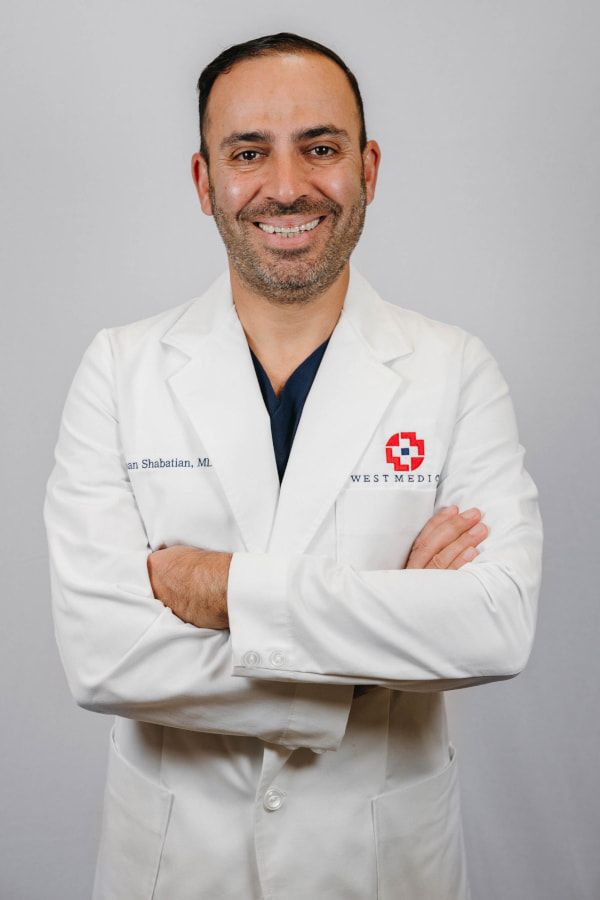

Each listed expert's certification status with the American Board of Surgery or equivalent credentialing body is confirmed before the profile goes live.
Active medical licensure is verified against the relevant state medical board registry at the time of listing.
Publicly available board actions, sanctions, and license encumbrances are screened and documented as part of each expert's intake review.
A current curriculum vitae is available for every expert in this category, delivered at the point of inquiry without requiring a separate request.
Common questions
What credentials should I look for in a bariatric surgery expert witness?
How do you verify that a listed expert is actually board-certified?
Can a bariatric surgery expert address both the operative and post-operative standard of care?
Is the expert deposition-ready, and what does prior testimony experience look like in this specialty?
What is the typical fee structure for a bariatric surgery expert witness?
How does a Daubert or Frye challenge affect a bariatric surgery expert's opinion?
Do you check for conflicts of interest before listing an expert?
Can a bariatric surgery expert also address informed consent issues?
Why retain a bariatric surgery expert
Bariatric surgery is one of the more technically demanding subspecialties in general surgery, and the gap between what happened in the operating room and what a lay jury can understand is almost always significant. An expert with hands-on experience in these procedures can bridge that gap by translating operative notes, intraoperative photographs, and pathology findings into a coherent narrative about what the standard of care required and where the conduct at issue either met or failed that standard.
Beyond the technical dimension, bariatric surgery cases often involve patients who carry multiple comorbidities — type 2 diabetes, obstructive sleep apnea, cardiovascular disease — that complicate both the risk-benefit analysis at the time of consent and the attribution of causation when a complication occurs. An expert who routinely manages this patient population can explain the role those comorbidities played and whether the managing team's response was within the range of accepted practice.
Common case types in bariatric surgery litigation
The case types that most frequently involve bariatric surgery experts fall into several recurring categories. Anastomotic leak cases are among the most serious, typically involving questions about intraoperative leak testing, early recognition of post-operative signs, and the timeliness of return to the operating room. Staple-line failure and hemorrhage cases raise similar questions about intraoperative technique and the adequacy of post-operative monitoring.
A second category involves nutritional and metabolic complications — vitamin deficiencies, protein malnutrition, and metabolic bone disease — that develop months or years after surgery when follow-up care is inadequate. These cases require an expert who can speak to the expected post-operative monitoring schedule and what a reasonably careful bariatric practice would have done differently.
Informed consent cases constitute a third category, often arising when a patient alleges that the risks of a serious complication were not adequately disclosed before a procedure the patient might have declined had full information been provided. Revisional surgery cases — where a second or third operation is needed to correct complications or device failures from a prior bariatric procedure — present their own standard-of-care questions distinct from those in primary cases.
How expert profiles are verified
Every bariatric surgery expert listed in this directory goes through an intake process before the profile is published. That process includes confirmation of current or recent clinical practice, verification of board certification status with the applicable credentialing authority, and a review of publicly available state medical board records for disciplinary actions, license restrictions, or adverse findings.
Experts are also asked to provide a current curriculum vitae and a list of matters in which they have provided testimony. The CV is made available to attorneys at the point of inquiry. Profiles that cannot be verified against primary sources are not published. If a previously listed expert's license status changes after publication, the profile is updated or removed as appropriate.
What to expect from a bariatric surgery expert engagement
Most engagements begin with a records review. The expert will typically need operative reports, anesthesia records, nursing notes, pathology reports, post-operative clinic notes, and any imaging studies relevant to the complication at issue. Providing a complete and well-organized record set at the outset shortens the time to a preliminary opinion and reduces the cost of the review phase.
After records review, the expert may produce a written report setting out the standard of care, the deviation or lack thereof, and the causal connection between the conduct and the claimed injury. In jurisdictions that require an affidavit of merit or certificate of merit early in the pleading process, the timeline for that preliminary opinion should be discussed with the expert at the time of retention.
Deposition and trial testimony follow if the matter does not resolve. Preparation sessions — reviewing the anticipated cross-examination topics, the opposing expert's report, and the applicable clinical literature — are standard practice and should be budgeted for in both time and cost. Experienced bariatric surgery experts will generally be familiar with the kinds of cross-examination that arise in surgical standard-of-care cases, including challenges to the applicable standard, the expert's familiarity with the defendant's practice setting, and the literature underlying the expert's methodology.
Daubert considerations in bariatric surgery cases
In federal court and in state courts that follow Daubert or analogous reliability standards, the admissibility of an expert's standard-of-care opinion depends on whether the methodology underlying that opinion is both scientifically reliable and tied to the specific facts of the case. For bariatric surgery, this most often means grounding the opinion in published surgical society guidelines, peer-reviewed literature on complication rates and management protocols, and the expert's own documented clinical experience with the procedure at issue.
Attorneys should discuss with their expert at the outset what literature supports the standard-of-care opinion, whether that literature has been subjected to peer review, and whether the expert's conclusions follow from it by a methodology that can be articulated and defended under cross-examination. An expert who can point to consensus guidelines from a recognized surgical organization and explain how those guidelines apply to the facts of the case is generally better positioned to survive a reliability challenge than one who relies primarily on personal judgment without reference to external benchmarks.