
Otolaryngology (ENT) Expert Witnesses & Trial Experts
Otolaryngology — ear, nose, and throat medicine — spans a diagnostic and surgical range broad enough that a single misstep in any subspecialty can produce permanent hearing loss, vocal cord injury, airway compromise, or facial nerve damage. When those outcomes become the subject of litigation, the standard-of-care analysis requires a physician who has practiced in the relevant subspecialty, not merely one who holds a general ENT license.


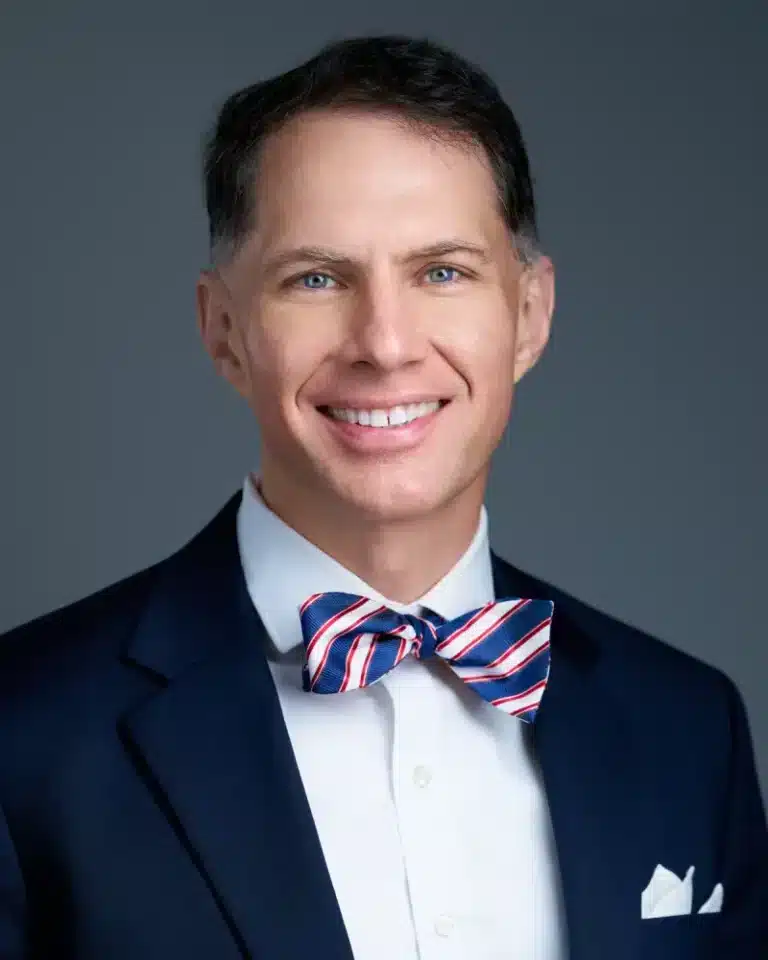



Each listed expert's American Board of Otolaryngology certification status is confirmed before the profile is published.
Active licensure is verified against the relevant state medical board at the time of listing.
A current curriculum vitae, including publications and prior testimony history, accompanies every expert shortlist.
Profiles are tagged by ENT subspecialty — otology, laryngology, rhinology, head and neck oncology, pediatric ENT, and others — so you can match the expert to the precise procedure at issue.
Common questions
What subspecialty credentials should I look for in an ENT expert witness?
How quickly can I receive a CV and shortlist for an otolaryngology case?
Is the expert deposition-ready and available for trial testimony?
How do you verify that an ENT expert's board certification is current?
Do your experts cover both plaintiff and defense engagements?
What is the typical fee structure for an otolaryngology expert witness?
Do you check for prior sanctions or disciplinary actions against listed experts?
How do Daubert or FRE 702 considerations apply to ENT expert testimony?
Why retain an otolaryngology expert witness
Otolaryngology covers the diagnosis and surgical management of conditions affecting the ear, nose, throat, sinuses, larynx, salivary glands, thyroid, parathyroid, and the broader head and neck region. That anatomical range means that ENT-related litigation touches some of the most sensitive and functionally consequential structures in the human body — the facial nerve, the recurrent laryngeal nerve, the ossicular chain of the middle ear, the optic nerve in proximity to the sinuses. Permanent disability from an ENT complication can affect speech, hearing, swallowing, breathing, or facial movement, and the damages in such cases are often substantial.
A qualified otolaryngology expert provides the standard-of-care foundation that neither a general surgeon nor an internist can supply for ENT-specific procedures. Jurors and judges rely on this testimony to understand whether the clinical decisions made at each stage — preoperative workup, informed consent, intraoperative technique, and postoperative management — fell within or below the range of acceptable practice. Without a specialty-matched expert, the causation chain in an ENT case is difficult to establish and easy to attack on cross-examination.
Common case types in ENT litigation
The most frequently litigated ENT matters involve surgical complications where an adverse outcome — facial nerve palsy after parotid or mastoid surgery, vocal cord paralysis after thyroid or parathyroid surgery, cerebrospinal fluid leak after endoscopic sinus surgery, or septal perforation after rhinoplasty — raises questions about operative technique or preoperative planning. These cases require an expert who has personally performed the procedure at issue and can speak to intraoperative decision-making from direct clinical experience.
Misdiagnosis cases represent a second major category. Delayed diagnosis of head and neck malignancy, missed cholesteatoma, or failure to order appropriate imaging for a mass lesion can produce claims of diagnostic negligence in which the timeline of the alleged delay and its effect on prognosis are central questions. Informed-consent disputes arise in elective ENT procedures such as septoplasty, tonsillectomy, cochlear implantation, and cosmetic nasal surgery, where patients allege they were not adequately counseled about the specific risks that materialized. Pediatric ENT cases — complications following adenotonsillectomy or ear tube placement — constitute a distinct subcategory with their own standard-of-care considerations. Product liability and medical device claims involving cochlear implant hardware, sinus stents, or osseointegrated hearing devices may also require an ENT expert to establish the clinical context of device failure.
How expert profiles are verified
Every otolaryngology profile published on MedicalWitnessFinder.com passes through a structured verification process before it is made searchable. The process begins with confirmation of active state licensure against the relevant state medical board's public records. Board certification by the American Board of Otolaryngology is then confirmed through publicly available certification databases. Where an expert identifies a subspecialty focus — such as neurotology, head and neck oncology, or pediatric otolaryngology — that claim is reviewed against the CV provided and, where applicable, against fellowship completion records.
The screening process also includes a review of publicly available disciplinary history, including adverse actions by state medical boards and any malpractice sanctions that have entered the public record. Profiles are not removed solely on the basis of a past finding, but material actions are disclosed so that retaining attorneys can assess the expert's prior history before making contact. Profiles are subject to periodic re-verification, and any identified discrepancy in certification or licensure status results in suspension of the profile until the issue is resolved.
What to expect from an ENT expert engagement
The engagement typically begins with a records review. The expert will work through the complete medical record — office notes, operative reports, imaging studies, pathology reports, and postoperative documentation — to form an opinion on the standard of care and causation. For complex ENT cases, the operative report and any available intraoperative imaging or navigation data are often the most important documents; providing these early in the engagement shortens the time to a preliminary opinion.
Following records review, the expert will generally provide a written report setting out the factual basis, the applicable standard of care, the specific deviations identified (in plaintiff-side work) or the absence thereof (in defense work), and the causal relationship between any deviation and the claimed injury. ENT experts with active practices typically have limited availability for depositions and trial appearances during surgical scheduling blocks, so confirming availability windows before finalizing engagement terms is advisable. Fee structures are set at the individual expert level; most experts in this specialty charge separately for records review, report preparation, deposition, and trial testimony, with deposition and trial rates typically higher than the records review hourly rate.
Daubert considerations for otolaryngology testimony
Under Daubert and the framework codified in Federal Rule of Evidence 702, the gatekeeping inquiry for an ENT expert frequently centers on two questions: whether the expert is qualified to opine on the specific procedure or condition at issue, and whether the methodology used to reach the standard-of-care opinion is reliable. Courts applying Daubert have scrutinized subspecialty alignment closely in surgical cases. A general otolaryngologist may face a qualification challenge if the case turns on a subspecialty procedure — cochlear implantation, skull base surgery, or microvascular free-flap reconstruction — that is ordinarily performed by fellowship-trained subspecialists.
The reliability prong is typically addressed through the expert's reference to peer-reviewed literature, clinical guidelines, or widely accepted professional society standards in otolaryngology — head and neck surgery. Attorneys should request, before retention is finalized, that the expert identify the primary literature or guidelines that will anchor the opinion. This reduces the risk of a successful Daubert motion targeting the methodological basis of the testimony and allows earlier identification of any literature that opposing counsel might use to undercut the opinion at the exclusion stage.