
Ophthalmology expert witnesses
Ophthalmology expert witnesses provide the clinical foundation courts require when a case turns on the standard of care for diagnosing or treating conditions of the eye. Whether the dispute involves a delayed glaucoma diagnosis, a complication from cataract or LASIK surgery, or a retinal injury attributed to systemic disease management, a qualified ophthalmologist can translate complex ocular anatomy and surgical technique into testimony a jury can evaluate.


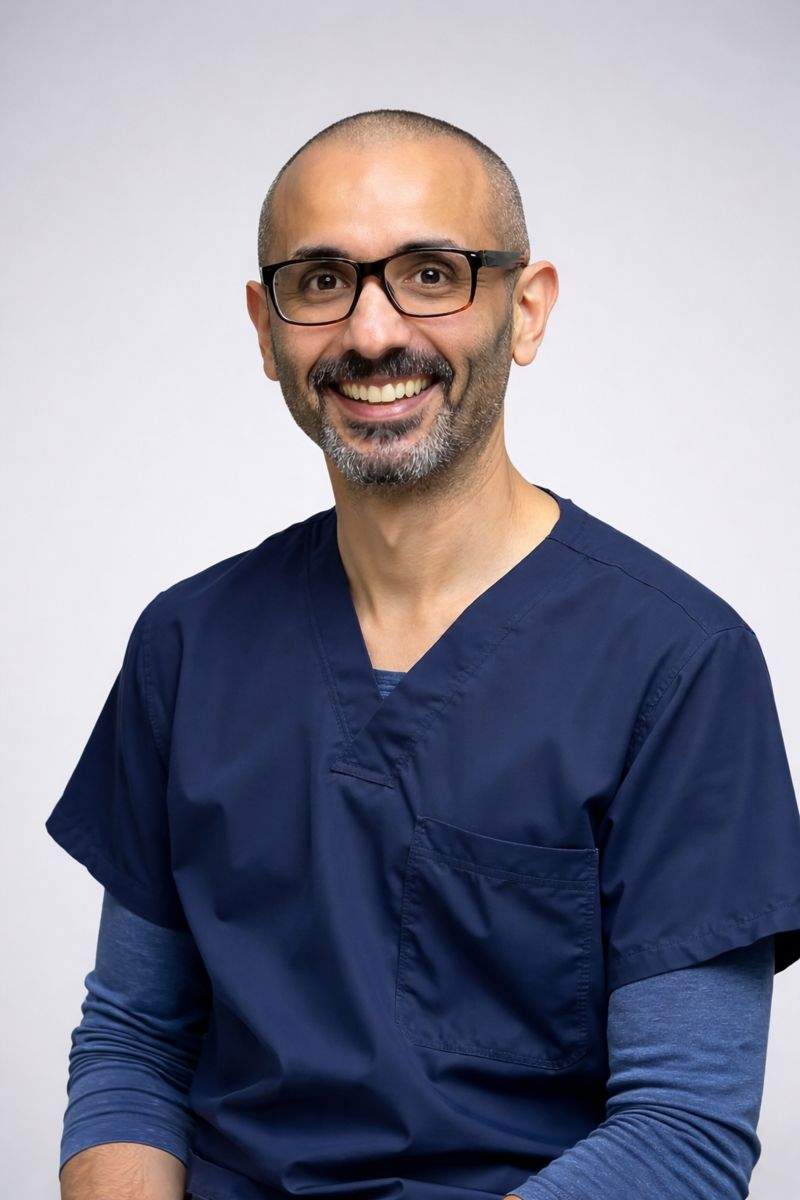


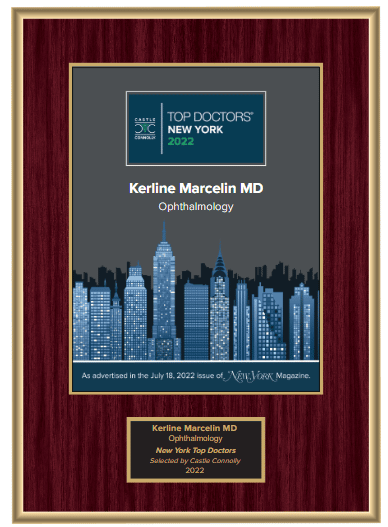

Each expert's American Board of Ophthalmology certification status is confirmed at the time of listing and rechecked periodically.
Active medical licensure is verified against the relevant state medical board database before a profile is published.
A current curriculum vitae, including publications, hospital affiliations, and prior testimony experience, is attached to every shortlist delivered.
Profiles are screened against publicly available disciplinary records and federal exclusion databases prior to listing.
Common questions
What credentials should I look for in an ophthalmology expert witness?
How do you verify board certification for ophthalmology experts?
Does the expert need to be located in the same state as the case?
Is the ophthalmology expert deposition-ready?
What is the typical fee structure for an ophthalmology expert witness?
How quickly can I receive a CV and case review estimate?
What Daubert or admissibility considerations apply to ophthalmology expert testimony?
Do you list experts who can testify for the defense as well as plaintiff?
Why retain an ophthalmology expert witness
Vision loss — whether partial, progressive, or total — carries profound functional and economic consequences that require clinical translation before a jury can assign meaningful weight to the harm. An ophthalmology expert provides the clinical authority to explain how the eye functions, how a specific injury or disease process disrupts that function, and whether the treatment decisions made by the defendant clinician met the standard of care applicable at the time. Without that foundation, damages testimony built on vocational loss or quality-of-life impact lacks the causal anchor courts require under both Daubert and analogous state admissibility standards.
Ophthalmology is also a technically dense field. Retinal detachment, macular degeneration, angle-closure glaucoma, and corneal ectasia following refractive surgery each involve distinct anatomy, imaging modalities, and intervention windows. A general internal medicine expert cannot credibly opine on whether an ophthalmologic surgeon's intraoperative decision was within the standard of care. Subspecialty match matters, and a directory organized by clinical focus — not just broad specialty — allows counsel to identify the right credential set from the outset rather than discovering a mismatch during expert disclosure.
Common case types in ophthalmology expert engagements
The ophthalmology cases that most frequently require expert witness support fall into several recurring categories. Surgical complication cases — involving cataract extraction, LASIK or PRK refractive surgery, glaucoma filtering procedures, or vitreoretinal surgery — turn on whether the surgeon's intraoperative decisions and postoperative management met the applicable standard. These cases often require the expert to review operative video or imaging in addition to the written record.
Diagnostic delay cases represent another substantial category. Delayed diagnosis of open-angle glaucoma, diabetic retinopathy, retinal detachment, or intraocular tumor can result in preventable vision loss; the expert must establish both that earlier diagnosis was achievable under the standard of care and that earlier intervention would have altered the outcome. Medication-related ocular injury — including toxic maculopathy from long-term hydroxychloroquine use or corticosteroid-induced elevated intraocular pressure — presents its own monitoring and documentation questions. Finally, trauma cases involving blunt or penetrating ocular injury, orbital fracture, or optic nerve damage may require an ophthalmologist to opine on causation, permanency, and the adequacy of acute and follow-up care.
How ophthalmology expert profiles are verified
Every ophthalmology expert listed in the directory has passed a structured verification process before the profile is published. Board certification with the American Board of Ophthalmology is confirmed through publicly available certification records. Active medical licensure is checked against state medical board databases in each jurisdiction where the expert holds a license. Publicly available disciplinary records, including board actions and federal exclusion databases, are reviewed as part of the intake screening.
Beyond credentialing, each expert is asked to provide a current curriculum vitae that includes clinical training, subspecialty fellowship history, academic or hospital appointments, peer-reviewed publications, and a prior testimony disclosure list. Profiles that cannot be substantiated with a verifiable CV and current licensure documentation are not approved for listing. The directory does not endorse any expert's opinion or guarantee a favorable outcome; the verification process is designed to ensure that counsel receives accurate, up-to-date professional information when evaluating candidates.
What to expect from an ophthalmology expert engagement
An ophthalmology expert engagement typically begins with a records review phase. The expert will request operative reports, clinic notes, ancillary imaging (OCT scans, visual field tests, fundus photographs), and any relevant consultation records. The volume and format of these materials significantly affect the time required for initial review. Most experts will provide a preliminary opinion — either written or by telephone — before agreeing to author a formal written report, which allows counsel to assess the strength of the opinion before incurring the full cost of report preparation.
If the case proceeds to formal retention, the expert will prepare a written report that addresses the standard of care, deviation, causation, and, where appropriate, damages related to visual function. Report preparation typically requires multiple record review sessions and may involve literature research. Deposition preparation should be budgeted as a separate engagement phase; experienced ophthalmology experts will expect a preparation session with counsel before sitting for deposition. Trial testimony, where required, involves additional scheduling and travel coordination that should be discussed with the expert well in advance of the trial date.
Daubert considerations in ophthalmology cases
Ophthalmology expert testimony faces Daubert scrutiny on two primary fronts: methodology and fit. On methodology, the expert must demonstrate that the standard-of-care opinion is grounded in something beyond personal preference — published clinical guidelines from bodies such as the American Academy of Ophthalmology, peer-reviewed literature on the relevant procedure or condition, or widely accepted diagnostic criteria. Opinions that rest solely on the expert's clinical experience without reference to verifiable external standards are vulnerable to exclusion under Federal Rule of Evidence 702 and its state equivalents.
On fit, the causation opinion must connect the specific alleged deviation to the documented clinical outcome. In ophthalmology, this means the expert must account for the natural history of the underlying disease — glaucoma, diabetic retinopathy, or age-related macular degeneration — and distinguish between injury attributable to the defendant's conduct and progression that would have occurred regardless. Attorneys should probe this issue during the pre-retention conversation and confirm that the expert can articulate a clear, literature-supported causation theory that will withstand a Daubert or analogous challenge.
Subspecialties within ophthalmology and why they matter
Ophthalmology encompasses a range of distinct subspecialties, and the right expert for a given case is determined by clinical alignment, not merely by the umbrella specialty designation. Retinal cases — involving detachment, macular degeneration, diabetic retinopathy, or vitreoretinal surgery — require a fellowship-trained vitreoretinal specialist. Glaucoma cases, particularly those involving allegations of delayed diagnosis or surgical mismanagement of intraocular pressure, are best addressed by a glaucoma subspecialist. Cornea and external disease cases, including those arising from refractive surgery complications, corneal transplant outcomes, or contact lens-related infection, require a cornea-trained expert.
Pediatric ophthalmology presents its own evidentiary demands, particularly in cases involving retinopathy of prematurity, strabismus surgery outcomes, or amblyopia management. Oculoplastics cases — covering orbital surgery, eyelid reconstruction, and lacrimal system procedures — involve a surgical skill set distinct from intraocular surgery. Neuro-ophthalmology is relevant in cases where visual loss is attributable to intracranial pathology, optic nerve disease, or neurological injury. When submitting a case intake, identifying the relevant subspecialty area from the outset allows the matching process to surface the most clinically appropriate candidates.