
Cardiology expert witnesses
Cardiology expert witnesses evaluate claims involving acute myocardial infarction, heart failure management, arrhythmia diagnosis and treatment, coronary artery disease intervention, and cardiac device implantation and monitoring. These specialists review standard of care in emergency departments, primary care settings, and specialized cardiac units, and assess whether diagnostic delays, procedural errors, or device failures contributed to patient harm.
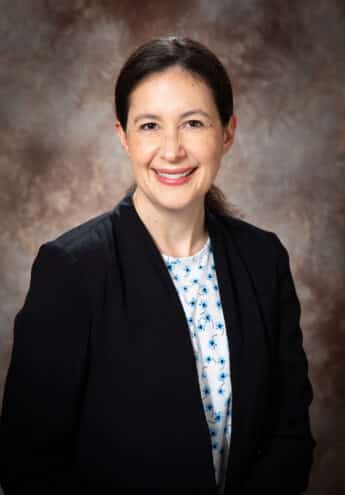




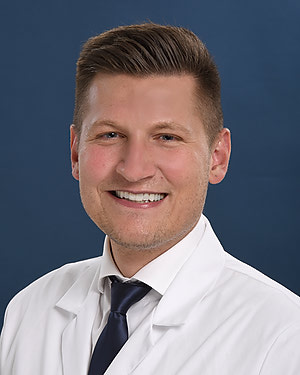

Each expert's American Board of Internal Medicine or American Board of Cardiology certification is independently confirmed and cross-referenced with state licensing records.
All listed experts maintain active patient care in a hospital or ambulatory cardiology setting, ensuring familiarity with current diagnostic protocols and treatment standards.
Within 48 hours of engagement, complete curriculum vitae, publication list, and prior testimony history are delivered to your office.
Board action history, malpractice claims, and state medical board records are checked annually for each expert.
Common questions
What credentials should I verify in a cardiology expert before retainer?
How quickly can a cardiology expert provide a report in a malpractice case?
What is the typical fee structure for a cardiology expert?
Can a cardiology expert opine on whether a delay in diagnosis caused irreversible heart damage?
How do you verify that an expert is familiar with the standard of care in my jurisdiction?
What types of cardiac imaging and device records do cardiologists typically review?
Is the expert deposition-ready, or will additional preparation time be required?
Can a cardiology expert testify in a pharmaceutical or device liability case involving a cardiac drug or implant?
Why retain a cardiology expert
Cardiology cases require specialized knowledge of acute coronary syndrome recognition, risk stratification, and the timing and selection of diagnostic and interventional procedures. A cardiac expert can determine whether a provider's failure to order appropriate testing, interpret imaging or lab results correctly, or initiate timely treatment fell below the standard of care in your jurisdiction and contributed to the patient's injury.
Experts in this field can also evaluate the adequacy of informed consent for high-risk procedures, assess medication selection and dosing in the context of known comorbidities, and opine on the clinical significance of imaging findings that may have been missed or misread. They serve equally well in plaintiff and defense contexts, and their testimony often resolves disputes about the causality and preventability of cardiac events.
Common case types we see
Acute myocardial infarction cases involve allegations of delayed diagnosis in the emergency department or primary care setting, missed EKG changes, or failure to recognize atypical presentations (particularly in women, elderly patients, or those with diabetes). Experts assess whether troponin testing, serial EKGs, and imaging (coronary angiography or stress testing) were ordered promptly and whether results were communicated to the treating provider.
Heart failure and arrhythmia cases often center on medication management—selection, dosing, monitoring for side effects, and patient compliance counseling. Atrial fibrillation stroke-prevention cases hinge on whether anticoagulation was offered and documented, and whether rate or rhythm control was appropriate for the clinical setting.
Cardiac device cases involve allegations of improper implantation, inadequate programming, failure to monitor device function, or device malfunction. Coronary intervention cases raise questions about stent selection, antiplatelet therapy management, and the timing and appropriateness of invasive versus conservative strategies. Hypertension and sudden cardiac death cases may require expert testimony on risk assessment and the adequacy of preventive protocols.
How profiles are verified
Each cardiology expert in the directory undergoes credential verification at enrollment and annually thereafter. We confirm current medical licensure through state medical boards, active board certification by the American Board of Internal Medicine or American Board of Cardiology, and hospital privileges (if applicable) through credentialing databases. We also review sanctions history, malpractice claims, and any board discipline.
Experts provide a detailed curriculum vitae, publication list, continuing medical education record, and a summary of prior expert work (including deposition and trial testimony). We do not verify case outcomes or specific opinions, as those reflect the expert's independent professional judgment. However, we do confirm that the expert has relevant subspecialty training, maintains active clinical practice, and has substantive experience in the areas they profess to address.
What to expect from a cardiology expert engagement
Upon retention, the expert will request medical records, imaging studies, laboratory results, prior imaging interpretations, and any treatment summaries. Initial review typically takes 5 to 10 business days. The expert will then provide a preliminary assessment by telephone or email, followed by a detailed written report addressing standard of care, causation, and damages (if retained by plaintiff) or defense of the care rendered (if retained by defense).
The expert should be prepared to discuss the timing and clinical context of key decisions, the interpretation of diagnostic test results, current guidelines and evidence-based protocols, and the patient's individual risk factors. During deposition, the expert will defend their opinions against challenging cross-examination and may be asked to explain divergence from practice guidelines or to distinguish their approach from that of the defendant provider.
Most cardiologists in this directory have peer-reviewed publications or prior expert work in their stated areas of expertise. All provide references from prior counsel and are willing to discuss fees, timeline, and scope of work before engagement. Expect reasonable turnaround for supplemental review, deposition preparation, and trial testimony.
Daubert considerations and deposition readiness
Cardiologists with active clinical practice and board certification typically meet Daubert or Frye standards for admissibility. Their opinions are grounded in peer-reviewed literature, accepted diagnostic and treatment protocols (such as American College of Cardiology and American Heart Association guidelines), and experience with the specific patient population and clinical scenario at issue. Be prepared to establish the expert's training, experience, and the methodology underlying their opinions on standard of care and causation.
Opposing counsel will often challenge whether the expert's practice patterns match written guidelines, whether the deviation from those guidelines was material to patient harm, and whether alternative explanations account for the injury. An experienced cardiology expert will distinguish between evidence-based recommendations and individualized clinical judgment, and will acknowledge areas where reasonable providers might differ while still defending their opinion on the applicable standard. Confirm prior deposition experience and discuss opposing expert reports early to strengthen defense of your expert's opinions.