
Workers' comp defense expert witnesses
In workers' compensation defense, the medical record is almost always the central battleground. Whether the dispute turns on causation, the extent of disability, the appropriateness of treatment, or the claimant's ability to return to work, a qualified medical expert witness can define the evidentiary difference between a successful defense and a costly award.

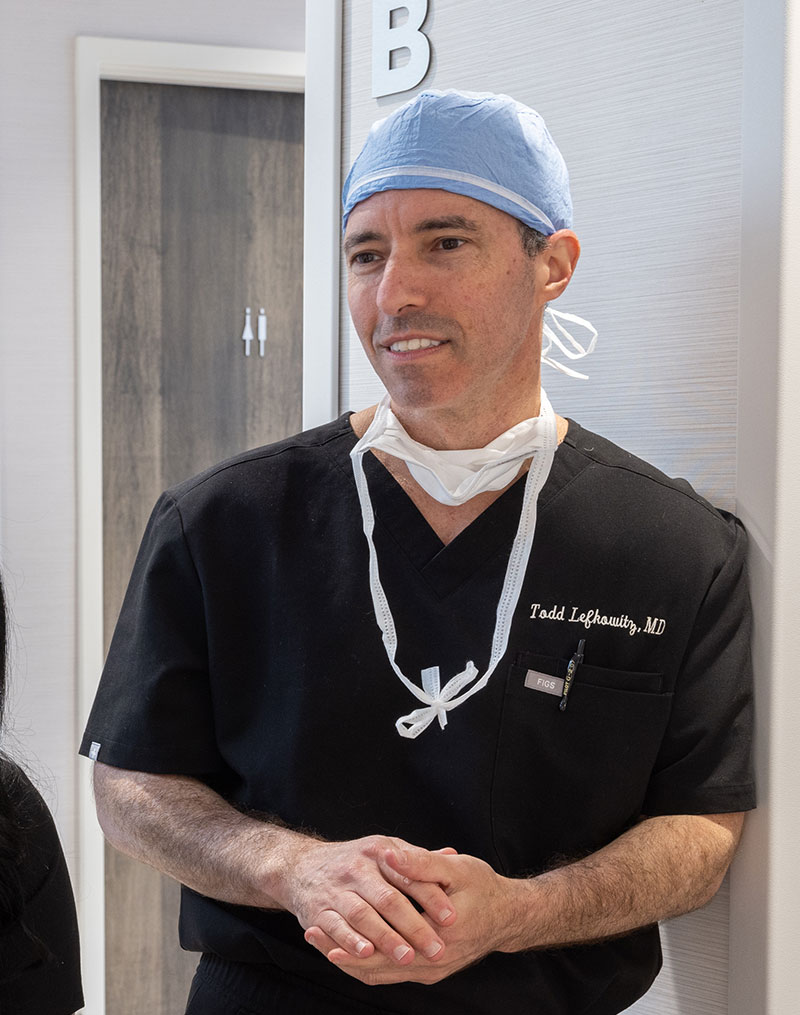



Each expert's board certification status is confirmed against the issuing specialty board before a profile is made available.
Active licensure is verified in the state or states where the expert practices and is expected to testify.
Profiles note whether the expert has prior independent medical examination and deposition experience in workers' compensation matters.
Publicly available disciplinary records and board actions are reviewed as part of the profile-verification process.
Common questions
What credentials should I look for in a workers' comp defense expert?
How quickly can I get a CV and shortlist for a workers' comp defense matter?
Is the expert available to perform an independent medical examination, or only to review records?
How do you verify that an expert is not on a state workers' compensation approved-panel list in a way that creates a conflict?
Do workers' comp defense experts need to meet Daubert standards?
What is the typical fee structure for a workers' comp defense expert?
Can the same expert address both causation and extent of disability in a single engagement?
How do you check for sanctions or disciplinary history before recommending an expert?
Why retain an expert for a workers' comp defense matter
Workers' compensation claims that reach the contested hearing stage almost always involve a medical dispute that lay testimony cannot resolve. The claimant's treating physician has typically already submitted records and opinions favorable to the claimant; without a qualified expert to examine those records critically and offer an independent assessment, the defense is left arguing process rather than medicine. A well-matched expert gives the defense a substantive medical narrative—one grounded in the same clinical literature and diagnostic standards the treating physician used, but evaluated against the full factual record rather than a single-source treatment relationship.
Beyond the hearing room, expert opinions in workers' comp defense serve strategic functions at every stage: they inform settlement valuation, support motions to limit treatment authorization, and provide the evidentiary foundation for maximum medical improvement and return-to-work determinations. Retaining the right expert early—before positions harden and the record closes—consistently produces more defensible outcomes than engaging one at the last moment to respond to a claimant's hearing exhibit.
Specialties typically retained in workers' comp defense
The specialty retained depends almost entirely on the body system at issue and the specific questions in dispute. Orthopedic surgery and occupational medicine are the most frequently engaged disciplines, covering the musculoskeletal and soft-tissue injuries that dominate workers' compensation caseloads. Neurology and neurosurgery are retained when the claim involves spinal cord injury, peripheral nerve damage, or traumatic brain injury. Pulmonology and toxicology appear in occupational-exposure and respiratory cases. Psychiatry and psychology are retained when the claimed disability is primarily psychological or when a mental health overlay is used to extend a physical injury claim.
Pain management specialists are increasingly relevant in cases where the claimant has been prescribed long-term opioids or has undergone multiple surgical interventions of disputed necessity. Vocational rehabilitation experts and physiatrists address functional-capacity questions directly—whether the claimant can perform sedentary, light, or modified-duty work—and are often the most persuasive witnesses on the return-to-work issue that drives long-term indemnity exposure.
How profiles are verified for this practice area
Experts listed under the workers' comp defense category are reviewed for active licensure in their practice state, confirmed board certification in their stated specialty, and documented experience performing independent medical examinations or providing testimony in contested workers' compensation proceedings. Publicly available disciplinary records and board actions are reviewed, and any findings are disclosed in the profile rather than withheld.
Because workers' compensation defense often requires an expert who is also credentialed to perform IMEs under state-specific regulatory frameworks—some states maintain approved IME physician lists or impose training requirements—those qualifications are flagged where applicable. Retaining counsel should confirm state-specific IME eligibility independently, as regulatory requirements vary and change over time.
What to expect from the engagement
A typical workers' comp defense expert engagement begins with a records review and a written report or supplemental opinion. If the matter requires an independent medical examination, the expert will schedule and conduct the examination, then produce a written IME report that addresses the specific questions posed by defense counsel—causation, extent of injury, appropriateness of treatment, MMI status, and work-restriction opinions being the most common. Turnaround on IME reports varies by expert and by the complexity of the medical record, but most experienced IME physicians can produce a report within two to three weeks of the examination.
Deposition and hearing testimony are typically billed separately from records review and report preparation. Counsel should obtain a clear fee schedule before engagement and clarify the expert's availability for deposition on short notice, which is a recurring practical issue in administrative proceedings. Experts with prior workers' compensation testimony experience are generally more efficient at this stage: they understand the scope of permissible opinion, they are accustomed to the pace of administrative hearings, and they present opinions in the plain functional language that hearing officers find useful.
Plaintiff vs. defense framing in workers' comp medical disputes
Workers' compensation is nominally a no-fault system, but contested claims function like adversarial litigation in every practical sense. The claimant's medical evidence is marshaled to establish that the injury arose out of and in the course of employment, that it caused the level of disability alleged, and that the treatment requested is medically necessary. Defense medical evidence challenges one or more of those elements—arguing pre-existing degeneration, non-occupational causation, symptom magnification, or treatment that exceeds what the diagnosis supports.
The defense expert must be prepared to acknowledge legitimate findings while drawing clear distinctions between what the objective evidence supports and what the claimant's subjective reporting asserts. Experts who adopt an absolute denial posture—dismissing every symptom—tend to be less persuasive with hearing officers than those who engage the record on its own terms and identify specific, well-supported grounds for limiting or challenging the claimed disability. Selecting an expert with a reputation for measured, evidence-based opinions is therefore a strategic consideration, not just a credentialing one.
Daubert considerations in workers' comp defense matters
Formal Daubert gatekeeping under FRE 702—or its state-court equivalents such as the Frye standard—does not apply in most workers' compensation administrative forums. Administrative law judges and hearing officers generally have broader discretion to admit medical opinion evidence and weigh its credibility, rather than excluding it as a threshold matter. This means that the practical standard for an expert's methodology is reliability and persuasiveness rather than formal admissibility.
That said, if a workers' compensation matter generates satellite civil litigation—a third-party liability claim, a bad-faith action against a carrier, or a federal-court proceeding—the same expert's opinions may then be subject to full Daubert scrutiny. Retaining an expert whose methodology would survive that scrutiny from the outset protects against exposure if the forum changes. Experts who rely on peer-reviewed diagnostic criteria, document the factual basis for their opinions, and avoid speculative inferences are defensible in both administrative and civil settings.