
New Mexico medical experts
New Mexico's 16 verified medical expert witnesses on this directory span a range of clinical specialties and are available to support litigation at every stage — from case screening and standard-of-care analysis through deposition and courtroom testimony. Each profile has been vetted for active licensure and board certification before being listed.

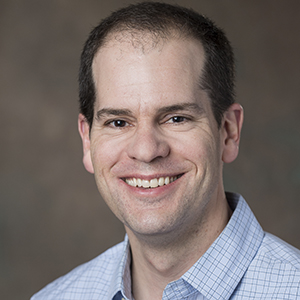



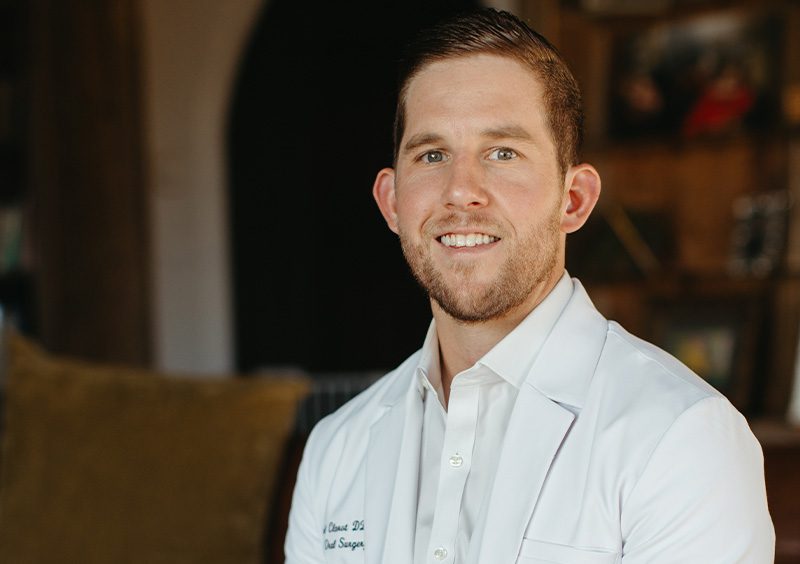
Each expert's board certification status is confirmed at the time of listing and reviewed on an ongoing basis.
New Mexico Medical Board license status is checked for every expert listed under this state term.
A current curriculum vitae is available for review before you commit to any expert engagement.
Each profile is screened against publicly available disciplinary records and board action databases prior to listing.
Common questions
What credentials should I look for in a New Mexico medical expert witness?
How quickly can I receive a CV and fee schedule for a listed expert?
Are the experts on this directory deposition-ready for New Mexico cases?
How do you verify board certification for New Mexico experts?
Does New Mexico follow Daubert standards for expert admissibility?
What is the typical fee structure for a New Mexico medical expert witness?
Do you check for disciplinary history or sanctions before listing an expert?
Can I find New Mexico experts who handle both plaintiff and defense cases?
Why retain a New Mexico-licensed expert
An expert who holds or has held an active New Mexico medical license brings direct familiarity with the regulatory environment, community standards of practice, and the healthcare infrastructure that defines care delivery in the state. New Mexico's mix of urban academic medical centers, rural critical access hospitals, and federally operated facilities means that what constitutes a reasonable standard of care can vary considerably depending on where and how treatment was provided. A locally credentialed expert can speak to those distinctions without needing extensive orientation, which matters during both deposition preparation and cross-examination. Opposing counsel will probe whether your expert understands the practical realities of care in the jurisdiction, and a New Mexico-licensed or New Mexico-experienced clinician is better positioned to withstand that scrutiny.
Common case types in New Mexico litigation
Medical malpractice cases in New Mexico frequently involve emergency medicine, general surgery, obstetrics, and primary care — reflecting both the demographics of the state and the limited specialty depth available in many communities. Birth injury claims, delayed diagnosis cases, and nursing home neglect matters are consistently present in the state's civil dockets. Workers' compensation cases involving occupational disease or industrial injury also require medical expert support, particularly in cases tied to New Mexico's mining, oil and gas, and agricultural sectors. Product liability and toxic tort matters arise with some regularity given the state's extractive industries, and pharmaceutical and medical device cases may require experts with specific knowledge of prescribing and device-use standards in underserved or resource-limited settings. The 16 experts currently listed span several of these categories, and the directory can be filtered by specialty and case type to identify the most relevant candidates.
How expert profiles are verified
Every expert listed under the New Mexico term has passed a baseline verification process before the profile is published. That process includes confirmation of active or recent medical licensure through the New Mexico Medical Board or the relevant licensing authority for the expert's discipline, verification of board certification through the applicable specialty board, and a review of publicly available disciplinary records including board actions, federal exclusions, and malpractice sanction databases. Experts are not listed based on self-reported credentials alone. When a material change in licensure or certification status is identified during a periodic review, the profile is updated or removed. Attorneys using the directory can request a verification summary as part of the intake process.
What to expect from a New Mexico expert engagement
A typical engagement begins with a records review, during which the expert evaluates the clinical documentation against the applicable standard of care and provides a preliminary opinion on liability, causation, or both. If the case proceeds, the expert prepares a written report consistent with the requirements of the applicable court rules — in federal matters in New Mexico, that means compliance with Rule 26 disclosure requirements; in state court, the New Mexico Rules of Civil Procedure govern. Deposition preparation, deposition testimony, and trial testimony follow in contested matters. Experts listed in this directory have disclosed their availability for each of these phases, and turnaround expectations for initial record reviews are typically discussed during the first intake call. Fee arrangements, including retainer structures and cancellation terms, should be confirmed in writing before records are transmitted.
Daubert and admissibility considerations in New Mexico courts
New Mexico courts apply a reliability-based gatekeeping standard to expert testimony that shares conceptual ground with the federal Daubert framework, but attorneys should not assume the analysis is identical across all venues. The New Mexico Rules of Evidence govern admissibility in state court proceedings, and local judges may apply the standard with varying degrees of rigor depending on the case type and complexity. In federal court matters arising in the District of New Mexico, Federal Rule of Evidence 702 and the Daubert standard apply directly. In either forum, the expert's methodology, the reliability of the underlying data, and the fit between the expert's opinion and the facts at issue will all be subject to scrutiny. Retaining an expert who can clearly articulate the clinical basis for each opinion — and who has experience withstanding methodological challenges — reduces admissibility risk. When reviewing candidate CVs, look for prior testimony history, peer-reviewed publication, and active clinical practice as indicators of methodological grounding.