
Podiatry Expert Witnesses & Podiatrist Trial Experts
Podiatry expert witnesses provide courts with the clinical foundation needed to evaluate whether care involving the foot, ankle, and related lower-extremity structures met the applicable standard. With 18 verified podiatry experts currently listed in this directory, attorneys have direct access to practitioners who can assess surgical technique, wound management protocols, orthotic prescription, and diabetic foot care across a wide range of civil matters.



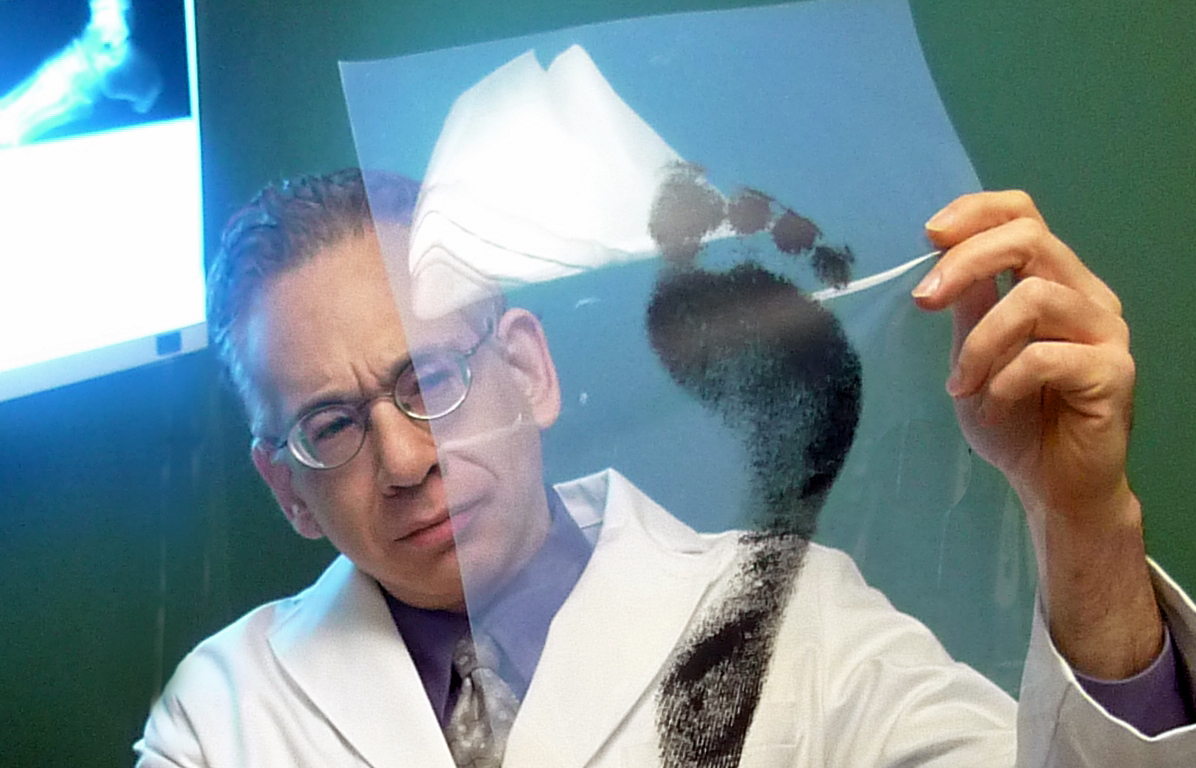



Each listed expert's board certification status — including ABPM diplomate standing where applicable — is confirmed before the profile goes live.
Active or recently active podiatric licensure is verified against the relevant state licensing board at the time of listing.
Profiles are screened for documented board actions, Medicare/Medicaid exclusions, and malpractice sanctions prior to publication.
A current curriculum vitae is available with each expert profile so case evaluation can begin immediately.
Common questions
What credentials should I look for in a podiatry expert witness?
How do you verify that a listed podiatry expert is board certified?
Is the expert deposition-ready, and do they have prior testimony experience?
What is the typical fee structure for a podiatry expert witness?
How quickly can I receive a CV and case screening from a podiatry expert?
Will a podiatry expert hold up under Daubert or Frye challenge?
Do podiatry experts also cover ankle and lower-leg injuries, or only foot conditions?
Can a podiatry expert testify on both plaintiff and defense sides?
Why retain a podiatry expert
Podiatry occupies a distinct clinical and licensure lane within the broader landscape of musculoskeletal care. When litigation involves the foot or ankle, using a general orthopedic surgeon as the primary expert can create a credibility gap — opposing counsel will note that the witness did not train in podiatric medicine and may not be conversant with the specific protocols, instruments, and procedural norms that govern podiatric practice. A DPM with active clinical and surgical experience in the area at issue closes that gap. The expert can speak to what a reasonably competent podiatrist would have done at each decision point, grounding the standard-of-care analysis in the actual discipline rather than analogous but distinct training.
Beyond standard-of-care cases, podiatry experts are valuable in causation disputes. Establishing that a workplace injury caused a specific structural deformity, or that a nursing home's failure to offload a diabetic patient's foot directly caused tissue necrosis, requires a clinician who routinely makes those assessments in practice. A podiatry expert brings that functional authority to deposition and trial testimony.
Common case types in podiatry litigation
Medical malpractice claims are the most frequent category. These include allegations of surgical error during bunionectomy, hammertoe correction, or ankle stabilization procedures; improper casting or post-operative immobilization; failure to diagnose compartment syndrome or peripheral arterial disease; and inadequate management of post-surgical infection. Delayed or missed diagnosis of conditions such as Charcot foot arthropathy, plantar fascia rupture, or stress fractures also generates significant expert witness demand.
Personal injury and workers' compensation matters form a second major category. Causation opinions connecting an accident to a traumatic foot or ankle injury — or linking occupational loading to a degenerative condition — require a podiatric perspective, particularly when the defense disputes the nature or permanence of the impairment. Nursing home neglect cases involving pressure ulcers, untreated diabetic foot wounds, or fall-related injuries to the lower extremity are a third common category, often intersecting with standard-of-care questions about wound care documentation, offloading protocols, and timely specialist referral.
How podiatry expert profiles are verified
Before a podiatry expert is listed in this directory, the profile undergoes a structured review covering four areas. First, educational and training credentials are confirmed: the DPM degree, residency completion, and any fellowship training are documented from verifiable sources. Second, licensure status is checked against the state podiatric licensing board for the jurisdiction in which the expert currently practices or most recently practiced, confirming that the license is active and in good standing or accurately noted as inactive. Third, board certification claims are verified against the applicable certifying board's public records. Fourth, the expert's name is run against the OIG exclusion database and available state board disciplinary records to identify any sanctions, consent orders, or formal complaints that would be material to counsel's evaluation.
Profiles are updated on a rolling basis when renewal cycles, board actions, or changes in practice status come to the directory's attention. The CV on file reflects the version provided by the expert at the time of listing or most recent update.
What to expect from a podiatry expert engagement
A typical podiatry expert engagement begins with a records review — operative reports, office visit notes, imaging studies, wound care records, and any relevant ancillary documentation. The expert will provide a preliminary opinion on standard of care and, where applicable, causation, usually in a written summary or formal report. That report should identify the specific standard or guideline at issue, the documented facts that support or contradict adherence, and the expert's methodology for reaching the conclusion.
If the case proceeds, the expert will be available for deposition preparation sessions and deposition testimony. Trial testimony for podiatry experts typically involves visual exhibits: anatomical diagrams, imaging, and wound photography are common aids. Attorneys should discuss demonstrative strategy with the expert early, as the most effective podiatric testimony often hinges on making a specialist's anatomical analysis accessible to a lay jury. Fee arrangements, scheduling constraints, and geographic availability for in-person testimony should all be confirmed in the engagement letter before records are transmitted.
Daubert considerations for podiatry testimony
Podiatry expert opinions are subject to the same reliability requirements as any other medical expert testimony under FRE 702 and its state-law equivalents. The most common challenges target three areas: whether the expert's methodology is grounded in accepted clinical standards rather than personal preference, whether the expert's clinical experience is sufficiently close to the specific procedure or condition at issue, and whether causation opinions rest on a differential diagnosis or similarly structured analytical framework rather than temporal association alone.
To anticipate these challenges, attorneys should request that the expert identify the published guidelines, textbook standards, or peer-reviewed literature supporting each opinion before the report is finalized. Experts who can cite specific clinical benchmarks — rather than describing the standard in general terms — present a stronger foundation at any reliability hearing. The expert's deposition preparation should include a review of any prior challenges to their testimony in other matters, as that record will be discoverable and may be raised at a Daubert or Frye proceeding.