
Product liability expert witnesses
Product liability litigation turns on whether a defective product caused harm — and establishing that connection requires expert testimony that can withstand scrutiny at every stage, from initial disclosure through trial. Without a qualified expert, causation arguments remain theoretical and damages claims lack the scientific foundation courts require.
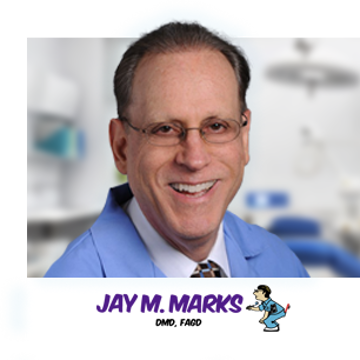
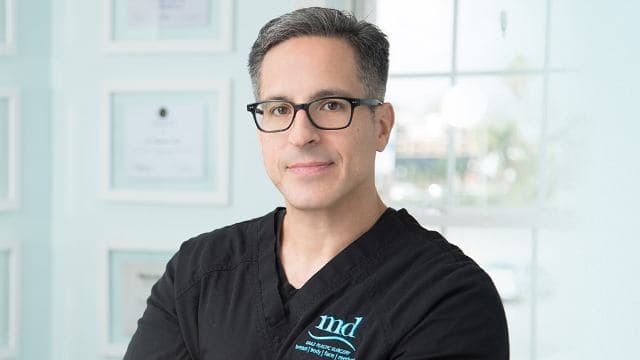


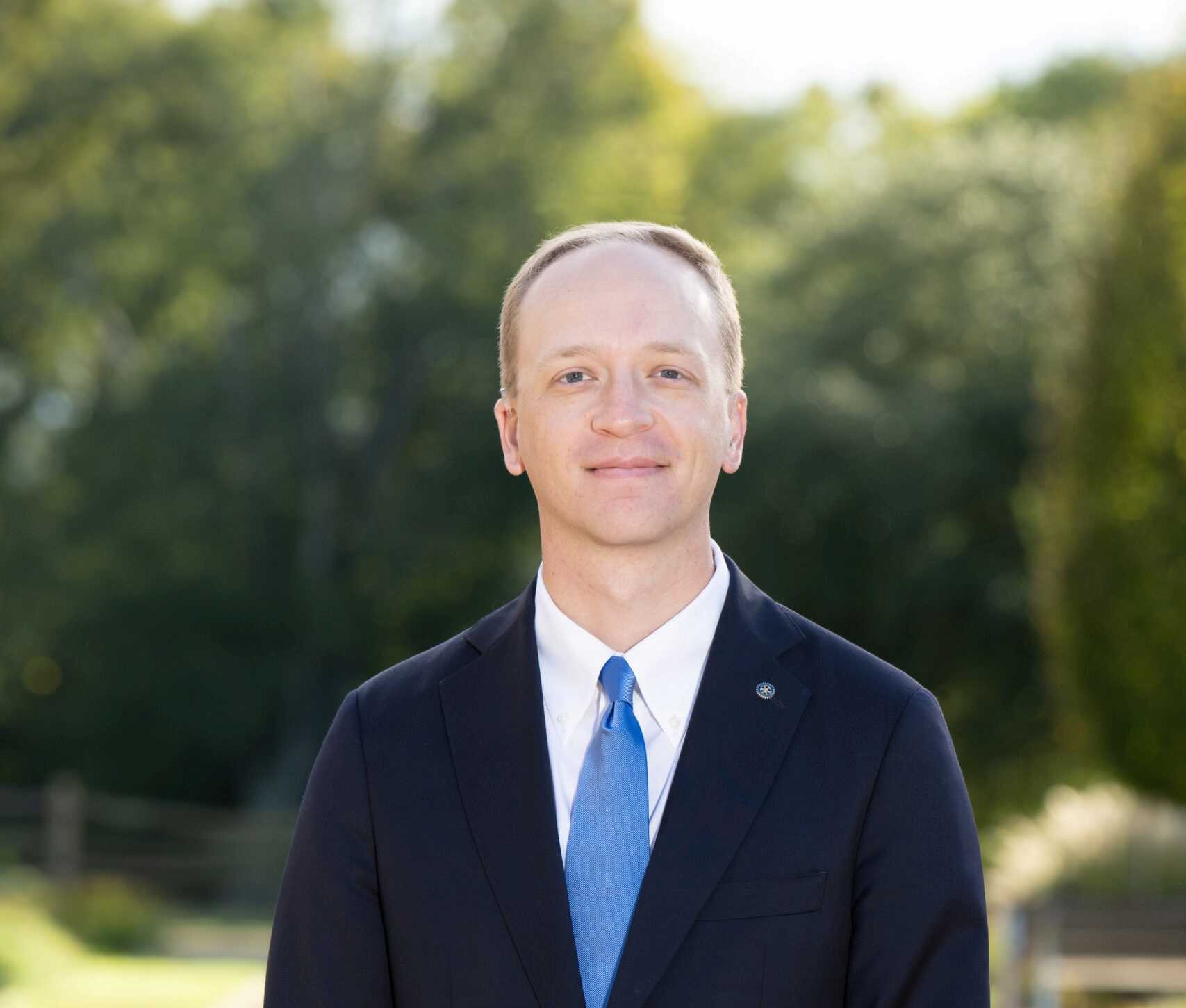
Where applicable, board certification status is confirmed against the issuing body's public records before a profile is listed.
Active licensure is verified in each state where the expert holds or has held a professional license.
Each expert profile includes a current curriculum vitae so you can assess qualifications before initiating contact.
Profiles are screened for publicly available disciplinary actions, sanctions, and adverse board findings prior to listing.
Common questions
What credentials should I look for in a product liability expert witness?
Can the same expert handle both plaintiff and defense engagements?
How do I know whether an expert's opinion will survive a Daubert challenge?
How quickly can I get a CV and availability confirmation?
What is the typical fee structure for a product liability expert?
Do experts on the directory have prior deposition and trial experience?
How does the directory verify that an expert is not under disciplinary action?
What distinguishes a medical device product liability expert from a pharmaceutical product liability expert?
Why retain an expert for a product liability matter
Product liability claims rest on technical foundations that neither judges nor juries are expected to know without assistance. Whether the theory is design defect, manufacturing defect, or failure to warn, the attorney must demonstrate that the product deviated from a standard of reasonable safety or that the defendant knew or should have known of a risk that was not adequately communicated. Each element requires evidence that goes beyond lay testimony — it requires a qualified expert who can explain, in terms a factfinder can evaluate, why the product failed and how that failure caused the plaintiff's injury.
Expert testimony also shapes the damages analysis. A biomechanical engineer can establish the mechanics of impact; a toxicologist can quantify exposure and dose-response relationships; a life care planner can project future medical costs tied directly to the product-caused injury. Retaining the right expert early — before discovery disputes arise over document production or inspection of the product itself — preserves options and often determines whether the case settles or proceeds to trial on favorable terms.
Specialties typically retained in product liability cases
The expert discipline required in a product liability case is dictated almost entirely by the product category and the defect theory. The following expert types appear with regularity in this litigation group:
- Mechanical and structural engineers for automotive components, industrial machinery, consumer durables, and construction equipment where fracture, fatigue, or load-bearing failure is alleged.
- Biomedical and materials engineers for orthopedic implants, surgical instruments, and other medical devices where material degradation, corrosion, or design tolerance is at issue.
- Toxicologists and pharmacologists for cases involving chemical exposure, drug side effects, or inadequate hazard labeling on consumer or industrial products.
- Human factors and warnings experts when the claim centers on inadequate instructions, label design, or foreseeable misuse that the manufacturer should have anticipated.
- Regulatory and quality systems experts familiar with FDA, CPSC, OSHA, or applicable international standards who can testify about whether the manufacturer's internal processes met the obligations imposed by the regulatory framework in effect at the time of sale.
- Economists and life care planners to quantify economic damages including lost wages, future medical costs, and diminished earning capacity attributable to the defective product.
In complex cases, attorneys often retain multiple experts covering distinct aspects of liability and damages to ensure that no link in the causation chain is left unsupported.
How profiles are verified on the directory
Every expert listed under the product liability category has passed a baseline verification process before their profile is made available to attorneys. Verification covers four areas: credential documentation, licensure status, disciplinary history, and CV currency.
Credential documentation means the expert's claimed degrees, board certifications, and professional society memberships are confirmed against issuing institutions or publicly maintained registries. Licensure status is checked in each state where the expert holds a professional license, with attention to whether the license is current and in good standing. Disciplinary history review draws on publicly available state licensing board records and, for physicians and allied health professionals, applicable federal exclusion databases. CV currency is assessed at the time of listing and flagged for review on a rolling basis.
This process is a threshold filter, not a guarantee of trial performance. Attorneys retain responsibility for conducting their own due diligence — including reviewing the expert's prior testimony record, any published literature, and any prior Daubert or Frye challenges — before finalizing a retention decision.
What to expect from the engagement
A product liability expert engagement typically proceeds in distinct phases, each with its own deliverables and timing considerations. Understanding what is expected at each phase helps attorneys plan discovery schedules and manage expert costs.
Initial consultation covers case background, the expert's preliminary assessment of whether opinions can be formed, and any conflict-check requirements. This is also the time to discuss the expert's availability for deposition and trial dates already on the calendar. Following retention, the expert will review materials — product samples, testing records, design specifications, regulatory submissions, internal communications, and medical records where injury is at issue — and may request additional documents or an inspection of the product. Written report preparation follows under the applicable disclosure deadline, and the report must satisfy the requirements of FRCP 26 or the relevant state analog, including a complete statement of opinions, the basis for each, and a list of materials considered. Deposition preparation and the deposition itself follow, and trial testimony is the final phase if the matter does not resolve beforehand. Attorneys should build time for at least one substantive preparation session before each significant milestone.
Daubert considerations in product liability litigation
Product liability is one of the case types where Daubert challenges — and their state-court equivalents — are most frequently deployed by defense counsel. Courts applying Federal Rule of Evidence 702 and the Daubert framework require that expert testimony be based on sufficient facts or data, be the product of reliable principles and methods, and reflect a reliable application of those methods to the facts of the case. The 2023 amendment to FRE 702 clarified that the proponent of expert testimony bears the burden of establishing admissibility by a preponderance of the evidence, a standard that has sharpened motion practice on both sides.
In product liability matters, the most common attack vectors against expert opinions include: challenge to the expert's qualifications relative to the specific product subcategory at issue; challenge to the methodology used to identify a defect (for example, whether the expert applied a recognized failure analysis protocol or relied primarily on differential diagnosis by exclusion); challenge to whether the expert's opinion is tethered to the facts of the case rather than general industry criticism; and challenge to causation linkage, particularly when the gap between product exposure and injury involves a latency period or a confounding alternative cause.
Selecting an expert who can clearly articulate a step-by-step methodology, point to peer-reviewed support or recognized industry standards for that methodology, and demonstrate that they applied it consistently and without outcome-driven modification is the most effective preparation for surviving a motion to exclude.
Plaintiff vs. defense framing in product liability cases
The role of the expert differs meaningfully depending on which side of the case they are retained to support, and attorneys should select experts with that distinction in mind.
On the plaintiff side, the expert's primary function is to establish that a safer, feasible alternative design existed at the time of manufacture; that the product deviated from its own specifications or from applicable industry standards; or that the warnings provided were insufficient to communicate a known or knowable risk to the intended user population. Plaintiff-side experts often draw on internal company documents obtained in discovery to show that the manufacturer was aware of the failure mode and did not act on that knowledge.
On the defense side, the expert's role is frequently to challenge causation — arguing that the product performed within design tolerances, that the plaintiff's injury resulted from misuse or an intervening cause, or that the warnings provided met or exceeded the applicable standard. Defense experts in regulatory and quality-systems fields are often retained specifically to demonstrate that the manufacturer's development, testing, and post-market surveillance processes were consistent with the obligations imposed by the regulatory framework in effect at the relevant time.
Some experts are well-suited to one role and not the other, based on their professional background or the industries they have worked in. Reviewing the expert's prior testimony record — both as to the cases they accepted and the opinions they provided — before retention is advisable regardless of which side you represent.