
Vascular Surgery expert witnesses
Vascular surgery cases turn on highly specific anatomical knowledge, operative technique, and post-procedural management standards that fall outside the competence of a general surgery expert. When the dispute involves a carotid endarterectomy gone wrong, a missed aortic aneurysm, or a limb-threatening arterial occlusion, you need a board-certified vascular surgeon who can explain the standard of care to a jury in plain, credible terms.


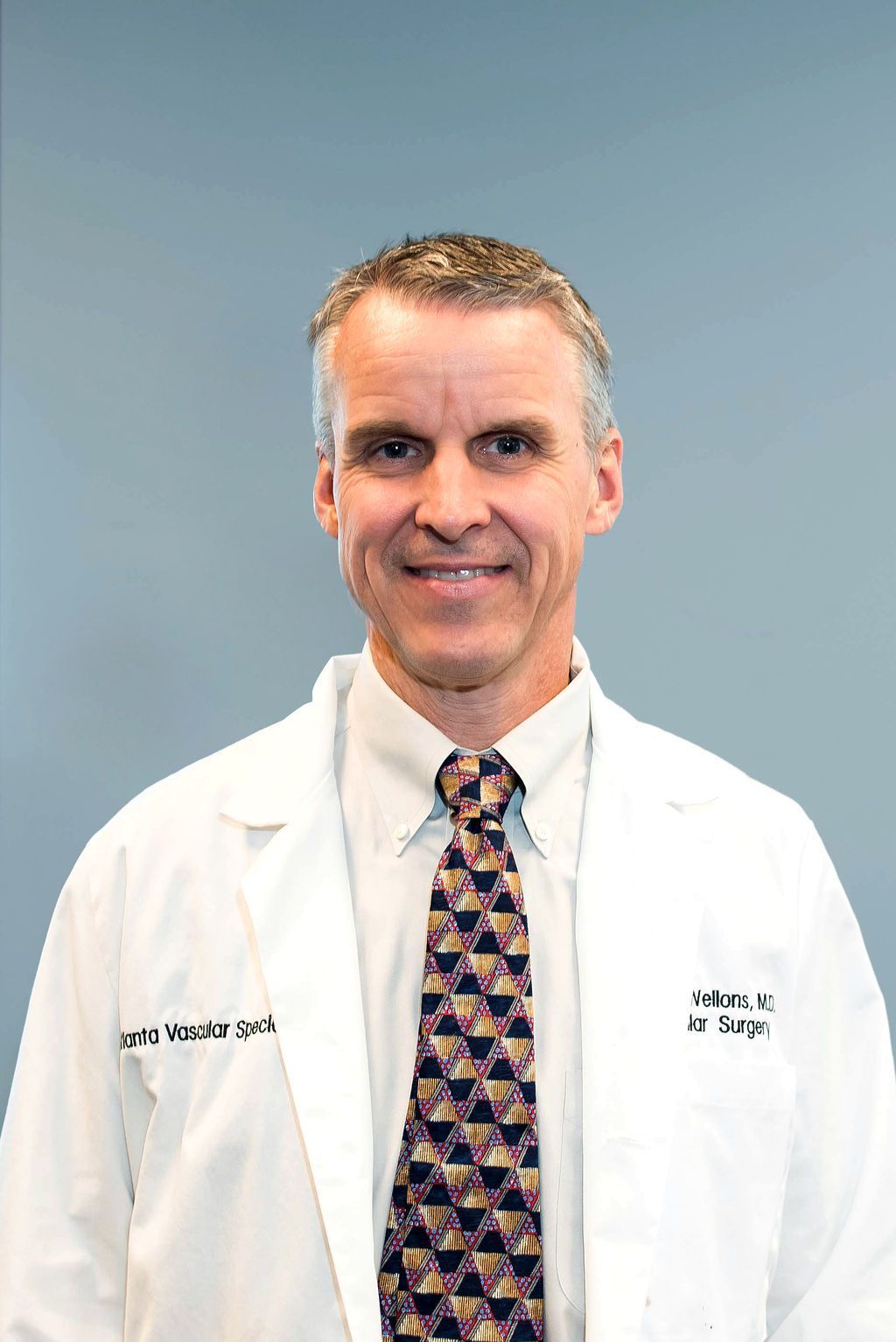


Each listed expert's board certification in vascular surgery or a directly related surgical specialty is confirmed before the profile is published.
Current or recent active licensure is verified against state medical board records at the time of listing and reviewed on a rolling basis.
A current curriculum vitae — including training, publications, and prior testimony — is available for every expert in this category.
Submit a case summary and receive a ranked shortlist of available vascular surgery experts within two business days.
Common questions
What credentials should I look for in a vascular surgery expert witness?
How do you verify that a listed expert is board-certified in vascular surgery?
Is the expert deposition-ready and available for trial testimony?
How quickly can I receive a CV and initial case assessment?
What is the typical fee structure for a vascular surgery expert witness?
Do vascular surgery experts in your directory work for both plaintiff and defense?
How do Daubert or Frye standards apply to vascular surgery expert testimony?
Do you check for malpractice history or disciplinary actions before listing an expert?
Why retain a vascular surgery expert
Vascular surgery is a defined specialty with its own board certification pathway, clinical guidelines, and technical standards distinct from general surgery. When a case involves the aorta, carotid arteries, peripheral vasculature, or venous system, a general surgeon — however experienced — may lack the subspecialty depth to credibly address the operative decision-making, complication management, or referral obligations at issue. Opposing counsel will probe those gaps. A vascular surgeon who operates on the specific procedure type involved in your case, and who can point to published clinical guidelines supporting their standard-of-care opinion, is far better positioned to withstand cross-examination and Daubert scrutiny than a generalist working at the edges of their training.
Beyond credential match, juries and judges respond to witnesses who speak from current, direct clinical experience. Vascular surgery has undergone significant procedural evolution, and an expert who stopped performing endovascular aneurysm repairs a decade ago may be poorly positioned to opine on modern technique standards. The directory filters for active or recently active clinical practice so that credential depth and recency align with the demands of your case.
Common case types we see
The vascular surgery cases that most frequently require expert witness support fall into several recurring categories. Aortic aneurysm cases — including delayed diagnosis, rupture following a missed or misread imaging study, and endovascular repair complications — are among the most common. Carotid artery disease cases often involve allegations of failure to refer for endarterectomy or stenting, post-operative stroke, or monitoring lapses following intervention. Peripheral arterial disease and acute limb ischemia cases raise questions about time-to-treatment, the adequacy of diagnostic workup, and whether amputation was the result of substandard care. Deep vein thrombosis and pulmonary embolism cases, while sometimes managed by hospitalists or internists, may involve a vascular surgeon if an inferior vena cava filter or surgical thrombectomy was part of the clinical picture. Dialysis access complications — including arteriovenous fistula and graft failures — represent a growing category as chronic kidney disease litigation increases. Finally, iatrogenic vascular injuries sustained during non-vascular procedures (laparoscopic, orthopedic, or urological cases, for example) often require a vascular surgeon to define what occurred anatomically and whether the response met the standard of care.
How profiles are verified
Every vascular surgery expert listed in the directory passes a structured verification process before the profile is made available to attorneys. Board certification is confirmed against the issuing board's public records. State medical licensure is checked for active or recent standing in the expert's primary practice state, and any documented disciplinary actions noted in state board records are flagged. The expert's CV is reviewed for procedural scope — specifically, whether their stated clinical experience aligns with the subspecialty focus of the profile — and for the presence of prior testimony experience, publications, or other markers of litigation readiness.
Verification is not a guarantee of outcome in any case, and attorneys retain full responsibility for their own due diligence. The directory's role is to surface qualified candidates whose credentials have been reviewed at the point of listing, reducing the time attorneys spend on initial screening and allowing earlier focus on case-specific fit.
What to expect from a vascular surgery expert engagement
A typical engagement begins with transmission of the relevant medical records — operative reports, imaging studies, vascular lab reports, and progress notes — along with a brief case summary. The expert performs an independent record review and provides a preliminary opinion, often in the form of a verbal consultation before any written report is commissioned. This initial phase allows both sides to assess case strength before incurring the cost of a full written opinion.
If the case proceeds, the expert prepares a written report addressing the applicable standard of care, whether it was met or breached, and the causal relationship between any breach and the claimed injury. In cases proceeding to deposition or trial, the expert should be prepared to defend their methodology, explain the clinical literature they relied upon, and respond to hypotheticals constructed around alternative causation theories. Vascular surgery experts who have testified previously will be able to provide prior testimony transcripts on request, which allows you to assess their communication style and deposition performance before retention. Fee structures, report timelines, and availability for trial dates should all be confirmed in writing at the outset of the engagement.
Daubert considerations for vascular surgery testimony
Under Federal Rule of Evidence 702 and the Daubert standard adopted in federal courts — and applied in varying forms across most state courts — a vascular surgery expert's opinion must rest on sufficient facts or data, be the product of reliable principles and methods, and reflect a reliable application of those methods to the facts of the case. In practice, this means the expert should be able to cite published clinical guidelines (such as those issued by the Society for Vascular Surgery or comparable professional bodies), peer-reviewed literature supporting the standard-of-care position, and their own direct clinical experience performing or managing the procedure or condition in dispute.
Common Daubert challenges in vascular surgery cases include arguments that the expert lacks specific subspecialty credentials for the technique at issue, that the standard-of-care opinion is not grounded in published guidelines, or that causation is speculative given the patient's baseline vascular disease. Retaining an expert with current clinical practice, documented expertise in the specific procedural area, and a familiarity with the relevant guideline literature substantially reduces vulnerability to these challenges. Reviewing the expert's prior testimony transcripts before retention is a practical step toward anticipating how they will respond under cross-examination on methodology.