
Clinical Social Work expert witnesses
Clinical social workers occupy a distinct and often underestimated role in civil and criminal litigation. When a case turns on whether a mental health professional acted within the standard of care, whether a child welfare agency followed mandated protocols, or whether a plaintiff sustained measurable psychosocial harm, a qualified clinical social work expert can provide the jury with the professional framework it needs to evaluate those questions.

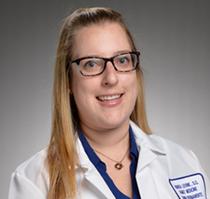


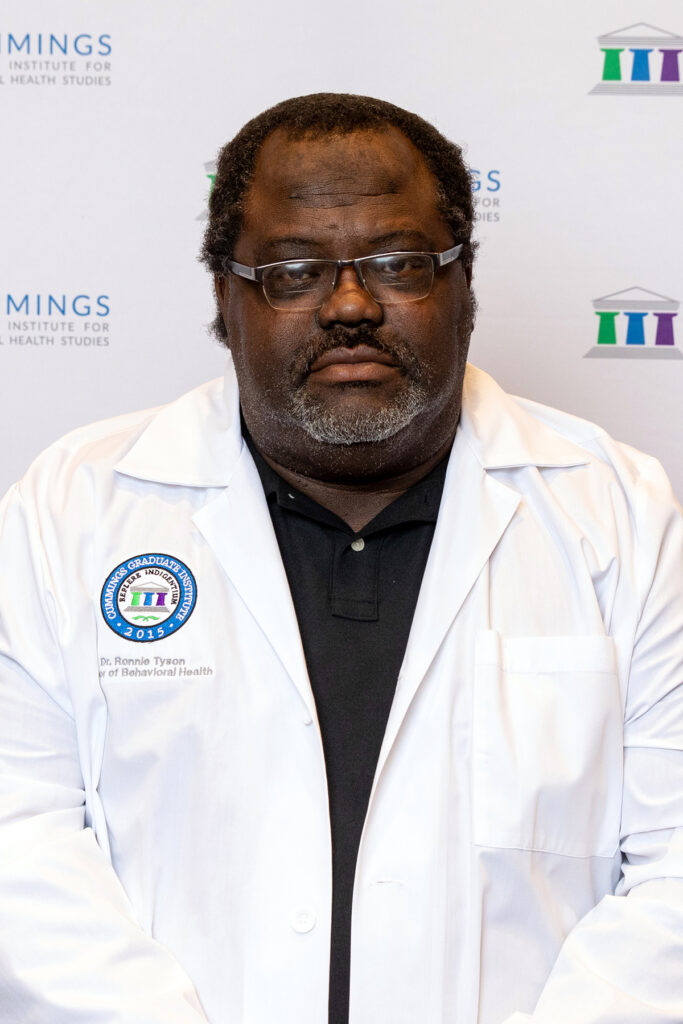

Each listed expert's state license status is confirmed before the profile is published and rechecked on a rolling basis.
A current curriculum vitae, including clinical experience and prior testimony history, is available at the time of referral.
Profiles are reviewed against publicly available disciplinary records and board actions prior to listing.
Shortlists of qualified candidates are delivered within 48 hours of a complete intake request.
Common questions
What credentials should I look for in a clinical social work expert witness?
How is board certification handled for clinical social workers?
Can a clinical social work expert testify on standard of care in a malpractice case?
Will the expert's opinion survive a Daubert or Frye challenge?
What is the typical fee structure for a clinical social work expert?
How quickly can I receive the expert's CV and work samples?
Do you verify whether the expert has any sanctions or adverse board actions?
Can a clinical social work expert address psychiatric damages in a personal injury case even if they are not a psychiatrist or psychologist?
Why retain a clinical social work expert
Clinical social workers are licensed mental health professionals whose scope of practice overlaps significantly with psychology and psychiatry in treatment settings, yet whose professional standards, documentation obligations, and supervisory frameworks are governed by a distinct regulatory structure. When a case involves a clinical social worker as a defendant, treating provider, or evaluating professional, generic mental health expert testimony may miss the specific duties and practice norms that apply to that licensure category. A clinical social work expert fills that gap by speaking directly to what a reasonably competent licensed clinical social worker would have done under the same or similar circumstances.
Beyond malpractice defense and plaintiff matters, clinical social work expertise is frequently relevant to damages quantification. These experts can assess how a traumatic event, inadequate care, or institutional failure has disrupted a plaintiff's psychosocial functioning, support networks, and treatment trajectory. That testimony can translate abstract emotional harm into a concrete clinical picture that a jury can evaluate. In child welfare and family court matters, the expert's knowledge of agency protocols, mandated reporting laws, and reunification standards can be equally decisive.
Common case types
Clinical social work expert witnesses appear across a wide range of litigation contexts. The most common categories include: professional negligence and malpractice claims against licensed clinical social workers in outpatient, inpatient, or community mental health settings; wrongful death and personal injury cases involving failed suicide or homicide risk assessments; child protective services matters where the adequacy of an investigation, safety planning, or removal decision is disputed; and institutional liability cases where the social work department's discharge planning or crisis response is at issue.
Personal injury matters with significant psychiatric damages components are a consistent source of demand — particularly in cases involving trauma, sexual abuse, domestic violence, or catastrophic physical injury where a plaintiff's ongoing mental health treatment and functional limitations require expert explanation. Workers' compensation cases, nursing home neglect matters where psychosocial care and behavioral management are relevant, and insurance disputes over the medical necessity of mental health treatment are additional areas where a clinical social work expert can provide grounded, licensure-specific opinions.
How profiles are verified
Every clinical social work profile in this directory goes through a structured verification process before it is published. License status is confirmed directly through the issuing state's licensing board database, and the license type — whether an LCSW, LICSW, LISW, or state equivalent — is documented along with any supervisory endorsements. Disciplinary history is checked against publicly available board records at the time of listing and on a rolling basis thereafter.
Experts are also screened for relevant clinical experience in the subspecialty areas they represent. An expert who lists trauma or forensic social work as a practice area should have documented clinical or consultative history in that domain, not merely coursework. Prior testimony experience — including deposition and trial history, jurisdictions, and whether testimony was on behalf of plaintiff or defense — is recorded in each profile. This information is made available to retaining counsel before any engagement is formalized, so you can assess fit against the specific demands of your case before committing resources.
What to expect from a clinical social work expert engagement
A typical engagement begins with the expert reviewing relevant records: clinical notes, intake assessments, treatment plans, progress notes, discharge summaries, and any internal communications or incident reports that bear on the standard of care or damages question. The scope of the record review should be agreed upon clearly at the outset, because clinical social work cases often generate substantial documentation across multiple providers and settings.
Following record review, the expert will generally provide a written report outlining the applicable standard of care, the specific conduct or omissions at issue, and their causation opinion where relevant. This report forms the foundation for deposition preparation and, if the case proceeds to trial, direct and cross-examination. Attorneys should expect the expert to be prepared to defend the methodological basis for their opinions — particularly the professional guidelines, licensing board standards, and peer-reviewed literature they relied upon — since opposing counsel will probe those foundations. Establishing a clear timeline for report delivery, deposition availability, and trial scheduling early in the engagement reduces friction as the case progresses.
Daubert considerations for clinical social work testimony
Clinical social work opinions are subject to the same reliability requirements as other expert testimony under FRE 702 and analogous state standards. The Daubert framework asks whether the expert's methodology is grounded in sufficient facts or data, whether it reflects the application of reliable principles and methods, and whether those methods have been reliably applied to the facts of the case. For clinical social work standard-of-care opinions, the methodology typically draws on professional practice guidelines published by organizations such as NASW, state licensing board regulations, peer-reviewed clinical literature, and the expert's own clinical experience in the relevant practice area.
Challenges to clinical social work testimony often focus on whether the expert is actually qualified to opine on the specific subspecialty at issue — for example, whether an expert whose practice has been primarily outpatient adult psychotherapy is competent to opine on inpatient child and adolescent crisis stabilization. Ensuring a strong match between the expert's active clinical background and the specific facts of your case is the most effective way to preempt these challenges. Experts in this directory are categorized by subspecialty precisely to support that alignment from the outset.