
Neurologist Expert Witnesses & Neurology Trial Experts
Neurology expert witnesses provide the clinical foundation attorneys need when a case turns on the function, injury, or disease of the central or peripheral nervous system. With 77 verified neurologists listed in this directory, you have access to credentialed specialists across stroke, epilepsy, traumatic brain injury, demyelinating disease, neuromuscular disorders, and more.


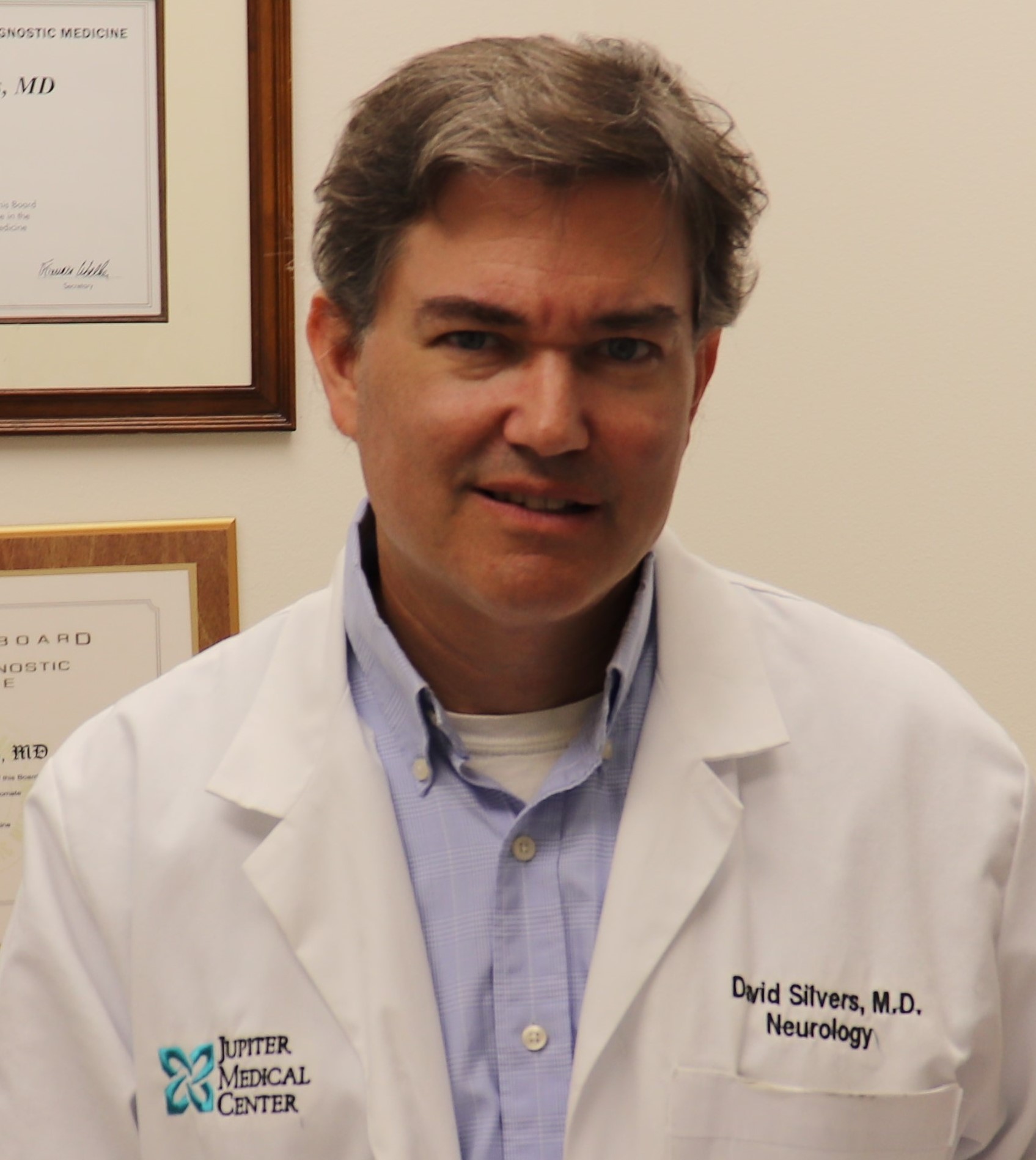

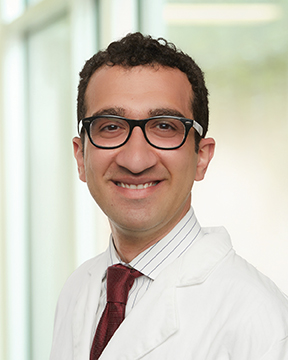

Each listed neurologist's board certification through the American Board of Psychiatry and Neurology or equivalent body is confirmed before the profile is published.
Active medical licensure is verified against state medical board records at the time of listing and reviewed on a recurring basis.
A current curriculum vitae, including publication history and prior testimony disclosure, is available with each expert referral.
Profiles are screened for documented disciplinary actions, malpractice history, and Medicare/Medicaid exclusion listings prior to activation.
Common questions
What credentials should I look for in a neurology expert witness?
How quickly can I receive a CV and availability confirmation?
Is the neurology expert deposition-ready and trial-tested?
How do you verify board certification for neurologists?
Do you check for prior disciplinary actions or board sanctions?
What is the typical fee structure for a neurology expert witness?
Will a neurology expert hold up under Daubert or Frye challenges?
Can a neurologist serve as a standard-of-care expert in a case involving a non-neurologist defendant?
Why retain a neurology expert witness
Neurological cases present distinctive evidentiary challenges. The brain and nervous system are not directly observable by a lay jury, symptoms often overlap across diagnoses, and causation disputes frequently turn on the interpretation of imaging studies, electrodiagnostic data, and the timeline of clinical deterioration. A qualified neurology expert translates that technical record into a coherent clinical narrative — one that can anchor damages calculations, support or rebut causation arguments, and withstand cross-examination grounded in the applicable medical literature.
Beyond causation, neurology experts assist attorneys in identifying the precise moment a standard of care was breached, whether by a failure to order appropriate imaging, a delay in initiating thrombolytic therapy for ischemic stroke, a missed seizure diagnosis, or an inadequate workup for demyelinating disease. In catastrophic injury cases, the neurologist's opinion often directly informs the life-care planner's projections and the economist's calculation of future medical costs. Retaining a qualified expert early — ideally during case evaluation — allows counsel to assess viability before incurring substantial litigation costs.
Common case types we see
The neurology experts listed in this directory are engaged most frequently in the following categories of litigation: traumatic brain injury arising from motor vehicle collisions, workplace accidents, and premises liability incidents; stroke and cerebrovascular disease, particularly involving delayed diagnosis or failure to initiate time-sensitive treatment in an emergency setting; epilepsy and seizure disorder cases, including disputes over medication management and driving restrictions; neuromuscular disease and peripheral neuropathy, often arising in the context of pharmaceutical or toxic exposure claims; and spinal cord and nerve root injury cases that intersect with orthopedic surgery, neurosurgery, or interventional pain management.
Medical malpractice cases involving neurology-related allegations — including failure to diagnose meningitis, encephalitis, or intracranial hemorrhage — represent a substantial portion of engagements. Neurology experts also appear regularly in birth injury litigation when hypoxic-ischemic encephalopathy or neonatal neurological compromise is at issue, and in product liability and pharmaceutical cases where central nervous system effects are alleged. Workers' compensation and personal injury defense matters involving disputed cognitive or functional impairment claims are another consistent area of engagement.
How neurology expert profiles are verified
Every neurologist listed in this directory completes a structured credentialing review before their profile is activated. That review confirms board certification status, verifies an active and unrestricted medical license in at least one U.S. state, and collects a current curriculum vitae with documented clinical and academic history. Profiles are also cross-referenced against publicly available disciplinary records maintained by state medical boards, federal exclusion registries, and, where applicable, hospital privileging disclosures.
In addition to credential verification, the intake process captures each expert's subspecialty focus, the geographic jurisdictions in which they are willing to testify, their preferred case types, and their prior experience as an expert witness. This information allows the directory to surface experts whose background is genuinely matched to the clinical and procedural demands of a specific matter — rather than returning broad results based on specialty title alone. Profiles are subject to periodic review to reflect changes in licensure status, board certification renewal, or disciplinary action.
What to expect from a neurology expert engagement
An initial engagement typically begins with a file review, during which the neurologist evaluates medical records, imaging studies, electrodiagnostic reports, and any prior expert opinions relevant to the case. Following that review, the expert provides a preliminary assessment of the clinical issues — including viability of causation or standard-of-care arguments — before a written report is commissioned. This staging is standard practice and allows attorneys to make informed decisions before incurring report-drafting fees.
Written reports in neurology matters typically address the mechanism of injury or disease, the applicable standard of care, any deviation from that standard, and the causal link between the deviation and the claimed injury or outcome. Neurology experts in this directory are available for deposition preparation sessions, deposition testimony, and trial testimony. Many are also available to review opposing expert reports and assist in preparing cross-examination strategy. Fee arrangements are set directly between the retaining attorney and the expert; the directory facilitates the introduction and credentialing review but is not party to the engagement agreement.
Daubert considerations for neurology testimony
Neurology expert testimony is frequently the subject of Daubert motions, particularly in cases involving contested causation — for example, whether a traumatic event caused or accelerated a neurodegenerative condition, or whether a medication caused peripheral neuropathy. Under Federal Rule of Evidence 702 and its state analogs, courts evaluate whether the expert's methodology is grounded in sufficient facts or data, reflects reliable principles and methods, and has been applied reliably to the facts of the case.
Neurology experts who are well-positioned to withstand these challenges typically ground their opinions in peer-reviewed literature, use recognized diagnostic criteria from bodies such as the American Academy of Neurology, and articulate a transparent differential diagnosis methodology. Experts who rely solely on temporal association — the fact that symptoms appeared after an event — without additional mechanistic support are more vulnerable to exclusion. Attorneys should discuss methodology and literature support with any retained expert early in the engagement, particularly if the causation theory is novel or contested in the clinical literature. State courts operating under Frye standards apply a general acceptance test that presents its own distinct considerations, especially for emerging neuroimaging interpretations or neuropsychological assessment methods.